
How to Assess the best rhinoplasty clinics in Korea
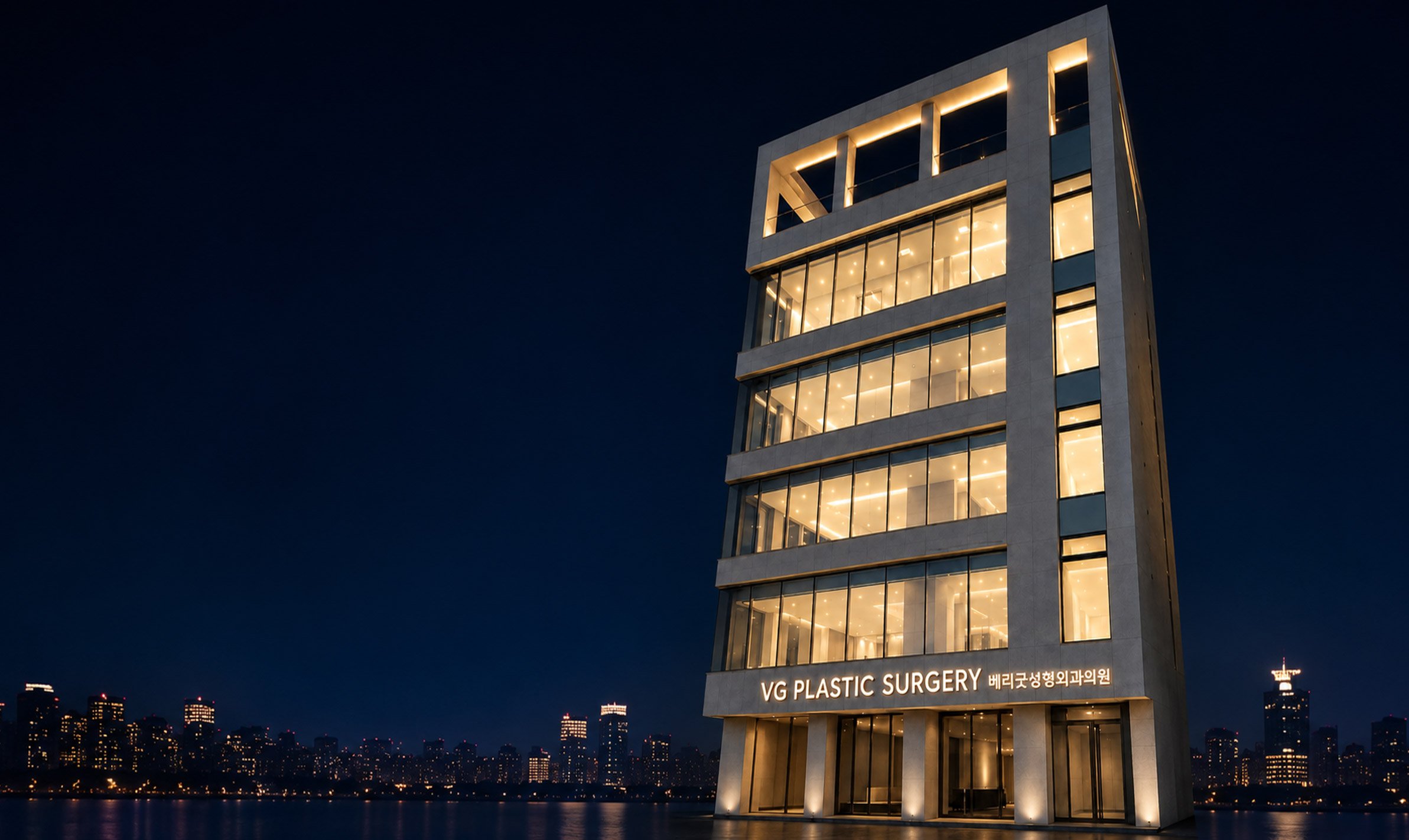
A search for rhinoplasty care can produce a long list of options, but a useful comparison starts with your individual needs. Consider what you want to change, whether you have had previous nasal surgery, and what information you need before making a decision. A clear explanation of the proposed procedure and its limitations is more useful than a broad promise about results. Verygood plastic surgery provides rhinoplasty and revision rhinoplasty alongside other plastic surgery services.
Begin with your reasons for seeking surgery
Rhinoplasty can involve different parts of the nose, so it helps to describe your concerns as specifically as you can. You might want to discuss the nasal tip, a visible hump, the width of the nostrils, or the appearance of a deviated nose. If you have breathing concerns as well as cosmetic goals, mention them during your consultation. That information helps frame the conversation about what an examination and treatment plan should address.
Try to distinguish between an outcome you hope for and a procedure you think you need. For example, a person concerned about the nasal tip can ask about tip plasty without assuming it is the right approach. The attending doctor can explain whether the concern relates to the tip alone or whether another part of the nose should also be considered. If you have undergone nasal surgery before, explain what was done and what you would like to discuss now. Previous surgical records, if available, can make that conversation more specific. Photographs can also help you communicate your preferences, but use them as a starting point rather than a promise of a particular appearance.
A useful consultation begins with a clear description of your concerns, not a predetermined procedure. Ask the attending doctor to explain how the proposed plan relates to your anatomy, goals, and surgical history.
Review the scope of rhinoplasty procedures
Verygood plastic surgery offers a range of nose surgery procedures, including augmentation rhinoplasty, tip plasty, osteotomy, and alar reduction. Revision rhinoplasty and rhinoplasty using rib cartilage are also available. These names describe different surgical approaches; they do not mean that every approach is suitable for every patient. Ask which procedures are being recommended for you and why.
Augmentation rhinoplasty and tip plasty may be discussed together when a plan addresses both the nasal bridge and tip. Osteotomy involves altering nasal bone and may be considered as part of a plan for certain structural concerns. Alar reduction addresses the nostril area. Revision rhinoplasty is a separate consideration for someone who has already undergone nasal surgery, because the existing anatomy and previous treatment are relevant to planning. Rather than comparing procedure names in isolation, ask the attending doctor to explain the intended role of each step. It is also reasonable to ask whether an alternative approach could address your concern and what differences you should understand before deciding.
Look for a detailed consultation
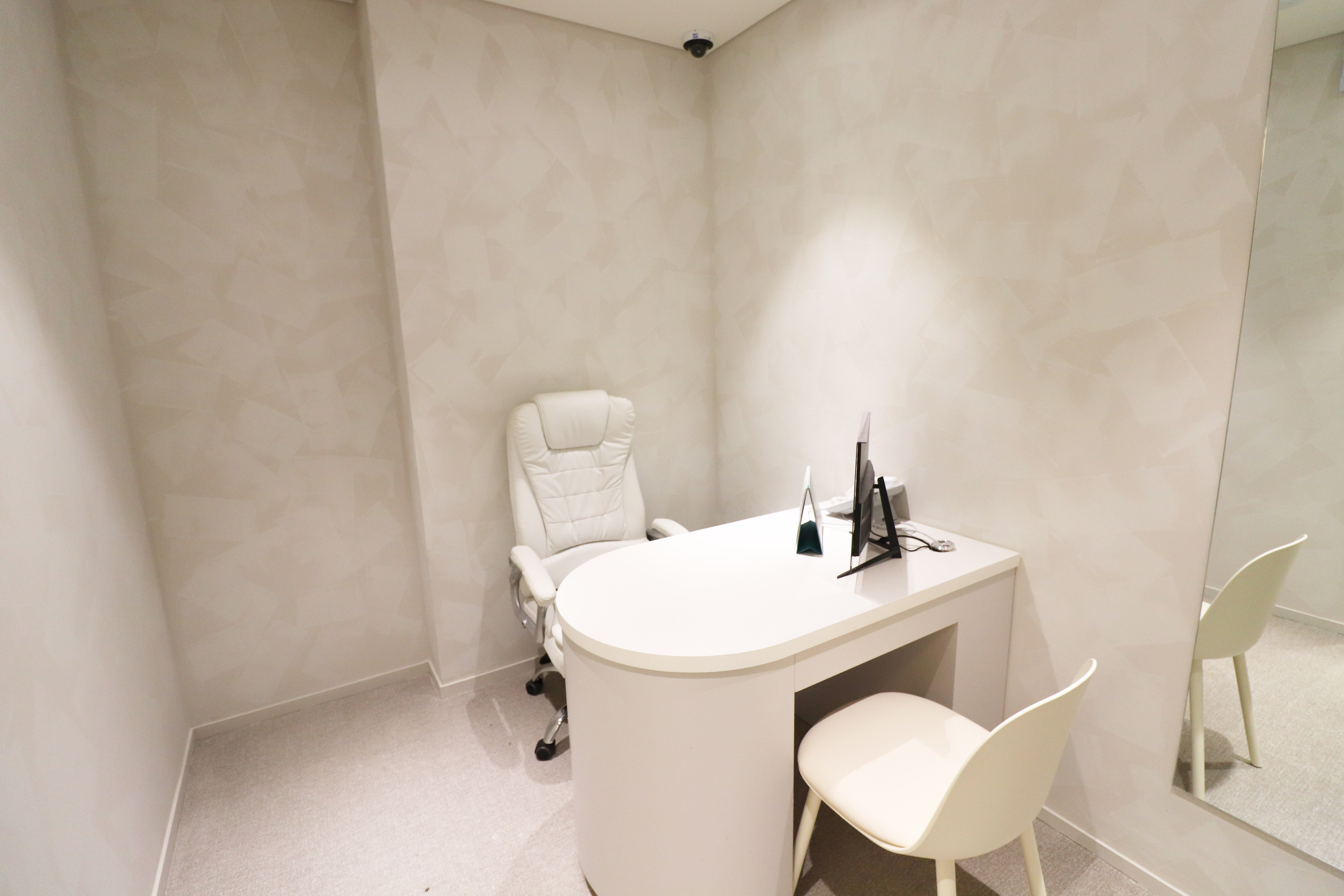
A consultation should give you room to describe your priorities and ask questions. Be prepared to discuss your medical history, medications, allergies, previous procedures, and any concerns about recovery. The attending doctor can use that information alongside an examination to discuss an appropriate plan. Do not assume a procedure shown in a photograph will be recommended for you.
Before the appointment, write down the points you want to cover. These can include the proposed surgical approach, the material involved, the expected recovery process, and how follow-up care is arranged. If something is unclear, ask for an explanation in everyday language. A decision about surgery deserves enough time to understand both the intended changes and the uncertainties involved.
| Consultation topic | Question to ask |
|---|---|
| Procedure | Which techniques are proposed, and what is each intended to address? |
| Materials | Would the plan involve cartilage or another material? |
| Previous surgery | How does my surgical history affect the proposed plan? |
| Recovery | What care and follow-up should I expect after surgery? |
Use the answers to assess whether you understand the plan, not simply whether you recognize the procedure names. A thoughtful explanation should connect the proposed approach to your concerns and explain what cannot be predicted in advance. If you need additional time to consider the information, take it before making a decision. Your priorities, health history, and comfort with the plan all matter.
Comparing Procedures at the best rhinoplasty clinics in Korea
Rhinoplasty is not a single standardized operation. A treatment plan may focus on the bridge, tip, nostrils, nasal bone, or a combination of areas. Verygood plastic surgery offers procedures for concerns including a nasal hump, a bulbous tip, and a deviated nose, as well as rhinoplasty for men. The relevant comparison is how a proposed technique addresses your concern, not how many techniques a clinic offers.
Bridge and tip surgery
Augmentation rhinoplasty is intended to add shape or height to the nasal bridge, while tip plasty focuses on the nasal tip. Verygood plastic surgery offers augmentation rhinoplasty combined with tip plasty. Depending on the individual plan, osteotomy may also be discussed. Ask the attending doctor which areas each proposed step addresses and whether all of those steps are necessary for your goals.
When discussing bridge and tip changes, describe the features you want to preserve as well as those you hope to change. This can help the medical staff understand your preferences in context. Ask how the proposed changes would relate to your existing facial features and what kind of variation in healing you should expect. It is also important to understand that a surgical plan is based on an examination, not just a photograph or a preference for a particular technique. The attending doctor can explain the available options and the practical implications of each. A measured discussion of what surgery can and cannot address is an important part of informed decision-making.
Bridge surgery, tip plasty, and osteotomy address different aspects of nasal shape. The right discussion is about why a technique is proposed for your anatomy, rather than whether its name sounds appealing.
Revision rhinoplasty and cartilage
Revision rhinoplasty is intended for patients who have previously undergone nose surgery and wish to discuss further treatment. Verygood plastic surgery offers revision rhinoplasty using rib cartilage, including a patient’s own rib cartilage and donated rib cartilage. The choice of material is a clinical decision that should be discussed in relation to the proposed procedure and the patient’s history.
If you are considering revision surgery, explain the details of your previous operation as accurately as you can. Bring surgical records or information about materials used if you have access to them. Tell the attending doctor which changes concern you and whether you have experienced any functional symptoms. Ask how the previous surgery affects the new plan, what material is being considered, and why that material is appropriate for your situation. You can also ask how revision planning differs from a first operation. Previous surgery can change the starting point for treatment, so an individual examination and an explanation of the proposed approach are especially important.
Other concerns to discuss
Verygood plastic surgery lists procedures for concerns such as a nasal hump, a bulbous nose, a deviated nose, and nostril width. These descriptions help identify topics for consultation, but the same visible concern can lead to different treatment discussions. Ask how the attending doctor evaluates the area that concerns you and which procedure, if any, is recommended.
For example, alar reduction focuses on the nostril area, while osteotomy involves nasal bone. A person seeking a change in one area should not assume that a procedure aimed at another area is automatically necessary. If you have questions about breathing or the internal structure of your nose, raise them directly so the consultation addresses both your functional concerns and your appearance goals.
| Procedure or service | Area of discussion |
|---|---|
| Tip plasty | Nasal tip |
| Augmentation rhinoplasty | Nasal bridge augmentation |
| Osteotomy | Nasal bone |
| Alar reduction | Nostril area |
| Revision rhinoplasty | Further surgery after a previous rhinoplasty |
These categories are a starting point for questions, not a substitute for an assessment. During consultation, ask how the proposed procedure relates to your specific anatomy and whether it would be combined with another technique. The medical staff can also explain the intended use of any material in your plan. A clear understanding of the procedure makes it easier to weigh your options and prepare for the next steps.
Preparing for Care at the best rhinoplasty clinics in Korea
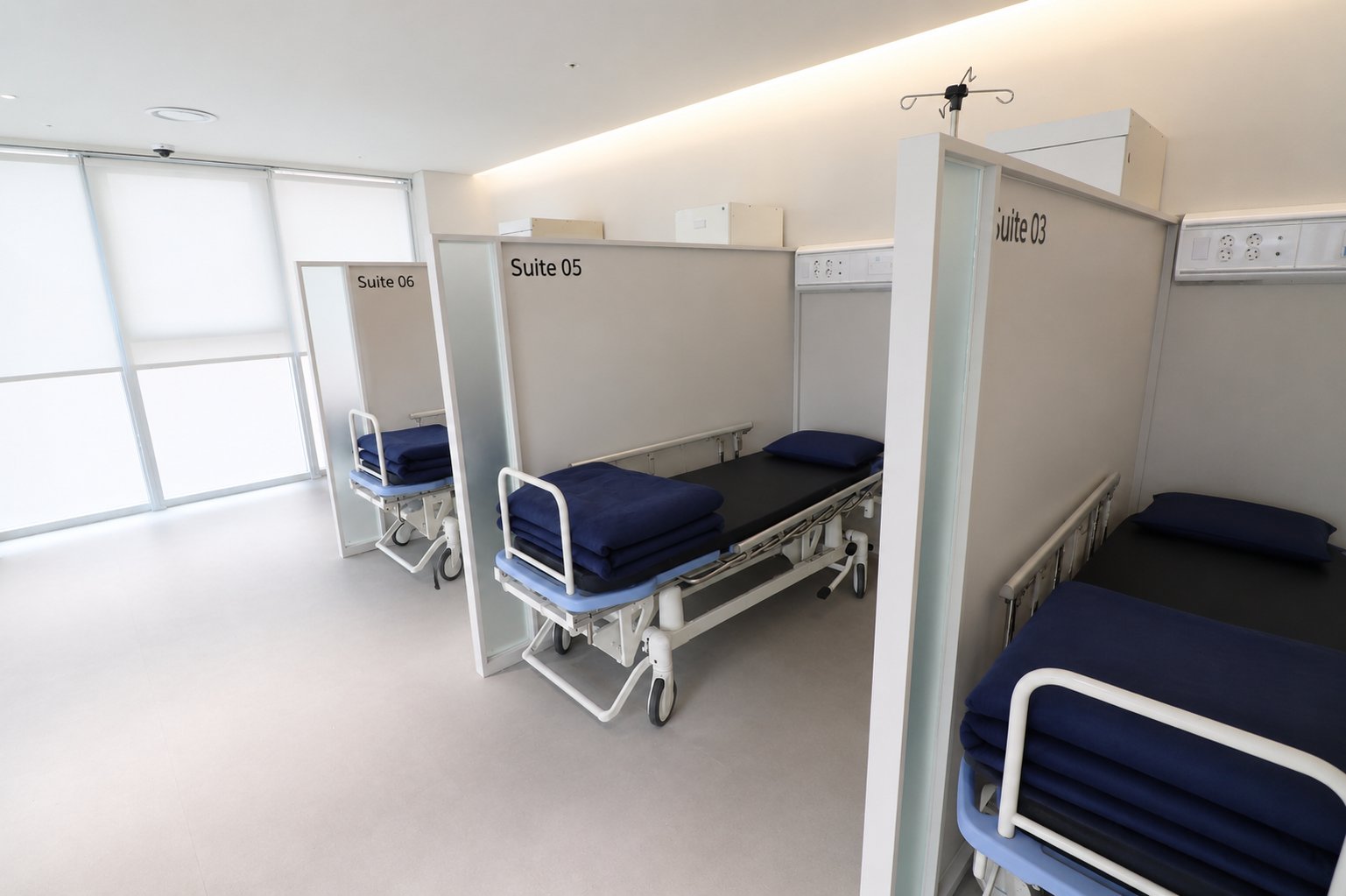
Preparation extends beyond selecting a procedure. Before scheduling surgery, ask about safety arrangements, recovery instructions, follow-up visits, and the full cost of the proposed plan. Verygood plastic surgery identifies a Safe Plastic Surgery System as part of its approach. Ask the medical staff how safety, monitoring, and follow-up are handled for your particular procedure. The answers should help you make a practical decision about treatment and timing.
Points to consider before treatment
All surgery carries risks, and rhinoplasty requires a discussion tailored to your health and proposed procedure. Ask the attending doctor about anesthesia, bleeding, infection, scarring, and the possibility that the result may not match your expectations. Also ask what steps you should take if a concern arises after surgery. Understanding these points is part of informed consent, not a prediction that a complication will occur.
Changes after rhinoplasty may take time depending on individual condition and healing. Ask what to expect during recovery, when you can return to your usual activities, and which symptoms should prompt you to contact the clinic. Tell the medical staff about any medications, supplements, allergies, or medical conditions that could affect your care. Do not stop or change prescribed medication without advice from the clinician responsible for it. If travel is part of your plan, discuss how long you should remain available for follow-up and how to obtain help after returning home. Make sure you understand the recovery instructions before you commit to a surgery date.
Safety planning includes an honest discussion of risks, recovery, and what to do if a problem arises. Ask questions until you understand the instructions and how follow-up will work for your circumstances.
Plan for recovery and follow-up
Recovery arrangements should be part of the decision, particularly if you are traveling for care. Ask when follow-up appointments are expected and whether you will need assistance immediately after your procedure. Discuss the timing of work, exercise, travel, and other commitments with the medical staff. The advice should reflect the operation you undergo and your individual recovery.
Before leaving the clinic, make sure you know how to care for the surgical area and how to contact the medical staff with questions. Ask which symptoms require prompt attention and what to do outside consultation hours. Keep your follow-up appointments and report concerns rather than relying on another patient’s recovery timeline. If you experience severe symptoms or believe you need urgent care, seek immediate medical attention. Your final appearance can change as healing progresses, so ask the attending doctor when it is appropriate to assess the outcome. A written list of instructions can be useful when you return home and begin managing your recovery.
Understand the practical details
Before booking, ask for an explanation of the proposed cost and what it covers. Confirm whether the quotation includes the procedure, anesthesia, follow-up appointments, and any other relevant services. Costs depend on the individual treatment plan, so the most useful figure is a written estimate for the care being proposed to you. Ask how changes to the plan could affect that estimate.
It is also helpful to discuss logistics before choosing a date. Ask what to bring to your consultation, whether previous medical records would be useful, and how to prepare for the procedure if you decide to proceed. If you are traveling, allow time for the appointments and recovery recommended by the medical staff. Avoid making arrangements that assume every patient follows the same schedule.
Keep your consultation notes, treatment estimate, and care instructions together so you can review them without relying on memory. If the proposed plan changes, ask the medical staff to explain what has changed and why. A well-informed choice combines a realistic discussion of your goals with a practical understanding of the procedure, cost, and follow-up. Take time to consider the information before agreeing to surgery.




Frequently Asked Questions
Q.What kind of services does Verygood plastic surgery offer?
A.Verygood plastic surgery offers plastic surgery services including rhinoplasty, eye surgery, breast surgery, facial contouring, and body surgery.
Q.Who might consider a rhinoplasty consultation?
A.A consultation may be useful for someone who wants to discuss the nasal bridge, tip, nostrils, a nasal hump, or the appearance of a deviated nose. People considering further surgery after a previous rhinoplasty can also discuss revision options.
Q.What nose surgery procedures are available?
A.Verygood plastic surgery offers augmentation rhinoplasty, tip plasty, osteotomy, alar reduction, and revision rhinoplasty. Revision options include procedures using a patient’s own rib cartilage or donated rib cartilage.
Q.What should I prepare for a consultation?
A.Be ready to describe your goals, medical history, medications, allergies, and any previous nasal surgery. If you have previous surgical records, bring them to help the medical staff understand your history.
Q.Where is Verygood plastic surgery, and how can I get in touch?
A.Verygood plastic surgery is at 635 Nonhyeon-ro, Gangnam-gu, Seoul, Republic of Korea. For consultation and booking inquiries, call 02-596-9006.
 Verygood plastic surgery