
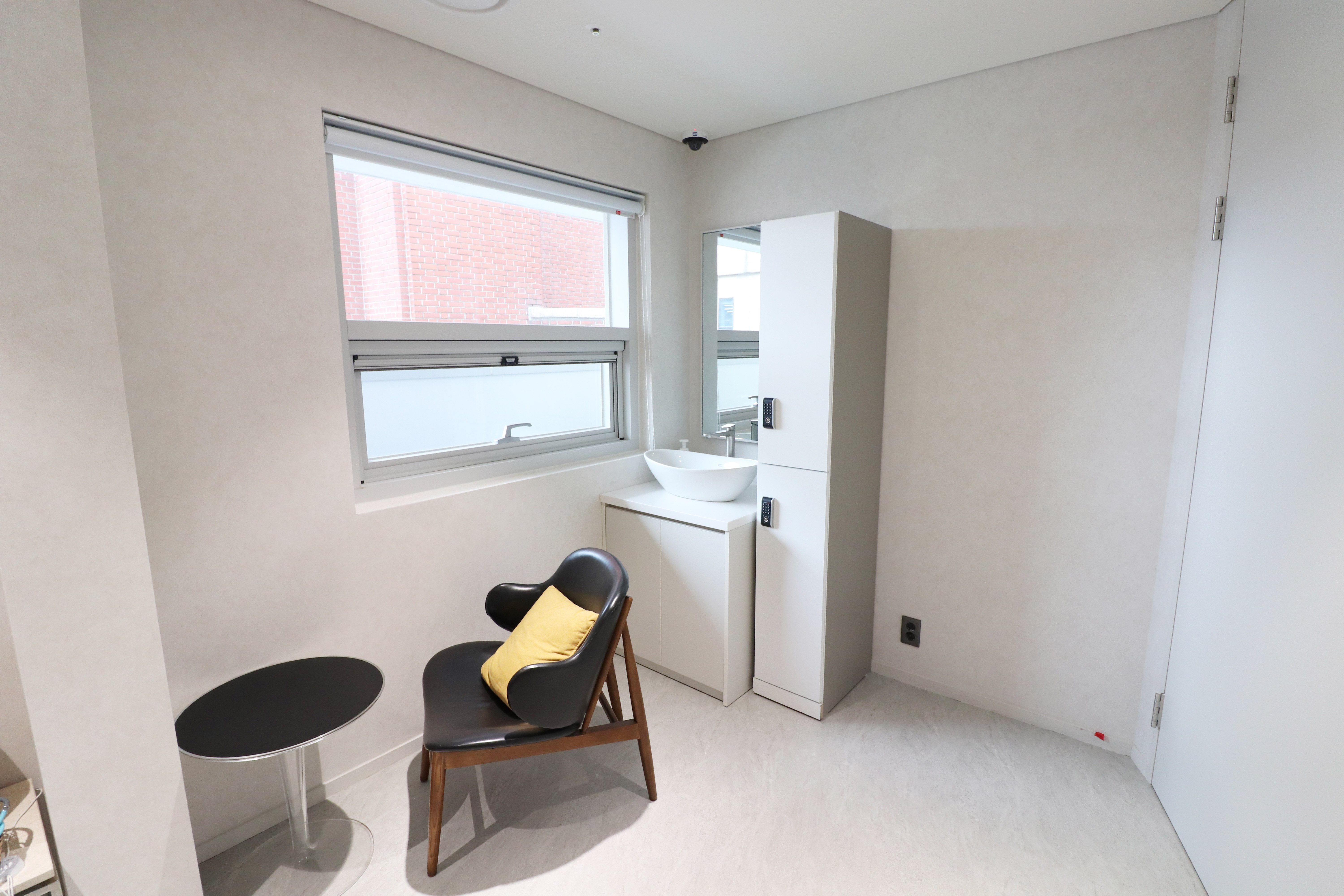
Understanding plastic surgery clinics in Gangnam for foreigners
For international patients, choosing a plastic surgery clinic involves more than identifying a procedure. It also means understanding how a proposed operation relates to personal goals, medical history, recovery time, and travel arrangements. Verygood plastic surgery offers procedures across the eyes, nose, breasts, face, and body. A useful consultation begins with a clear discussion of what you want to change and what the procedure can reasonably address. Patients should also ask questions about surgical risks, follow-up, and the support needed during recovery.
Start with your goals
Before selecting a procedure, describe the concern in practical terms. For example, a patient considering nose surgery might want to discuss the nasal tip, a prominent bridge, or the result of an earlier operation. Someone interested in eye surgery might be concerned about eyelid shape or the appearance of a previous incision. The name of a procedure is a starting point, not a substitute for an individual assessment. The attending doctor can explain which options are relevant to the concern being discussed.
It is also helpful to distinguish between a feature you want to change and a result you expect from surgery. Bring questions about the likely location of incisions, the role of any graft material, and the changes that can reasonably be discussed before treatment. If you have undergone an earlier procedure, share that history and any available records. Previous surgery can affect the discussion of revision options, even when the concern appears similar to one addressed in a first operation. Describe your priorities in your own words rather than relying only on photographs. Reference images can help communicate an aesthetic preference, but individual anatomy differs. Ask the medical staff to explain the proposed approach in terms you understand, including what it is intended to address and what it cannot promise.
A procedure name describes an approach, but it does not establish whether that approach is right for a particular patient. The most useful discussion connects your goals with your anatomy, medical history, and recovery plans.
Review the scope of care
Verygood plastic surgery offers double eyelid surgery, eye shape revision, canthoplasty, rhinoplasty, breast surgery, facial contouring, lifting procedures, and liposuction. The clinic also offers revision procedures for the eyes and nose. This range gives patients distinct topics to discuss, but it does not mean that every option is appropriate for every person. Ask which procedure addresses your specific concern and why it is being considered.
Some concerns can involve more than one feature. For example, a rhinoplasty discussion may address the bridge as well as the tip, while an eye consultation may involve eyelid shape and a previous surgical result. When more than one procedure is proposed, ask the attending doctor to explain the purpose of each component separately. This makes it easier to understand the intended changes, potential risks, and recovery considerations. It is equally reasonable to ask whether a narrower approach could address your main priority. For patients interested in facial contouring, the conversation should focus on the particular area involved, such as the cheekbones, jaw, or chin. A clear explanation helps you compare the proposed plan with your own goals rather than treating a broad procedure category as a single operation.
Consider communication and travel
Patients traveling from abroad need enough time to understand the proposed treatment and its aftercare before making arrangements. Ask how the consultation will be conducted, how to raise questions if English is not your preferred language, and how to contact the clinic after the procedure. Do not assume that a particular interpretation service is available. If you need help communicating, discuss your requirements when arranging your visit and make sure you understand the information before consenting.
Travel planning should include more than the date of surgery. Ask the medical staff how recovery and any recommended follow-up could affect your stay and return journey. The timing will depend on your procedure and individual condition. If you are considering a long flight, discuss when travel would be appropriate and what symptoms should prompt medical attention. Do not book around an assumed recovery timeline without discussing it first.
| Area | Examples of procedures offered |
|---|---|
| Eyes | Double eyelid surgery, canthoplasty, and revision eyelid surgery |
| Nose | Rhinoplasty, tip plasty, and revision rhinoplasty |
| Breasts | Breast augmentation, breast reduction, and gynecomastia surgery |
| Face and body | Facial contouring, facial liposuction, and body liposuction |
Use the categories above as a way to organize your questions, not as a treatment recommendation. Procedures within the same category can have different purposes and recovery needs. For example, revision eyelid surgery addresses a different situation from a first discussion about double eyelid surgery. Likewise, facial liposuction and body liposuction involve different treatment areas. Ask for an explanation of the proposed procedure, its alternatives, and the considerations specific to your health before deciding whether to proceed.
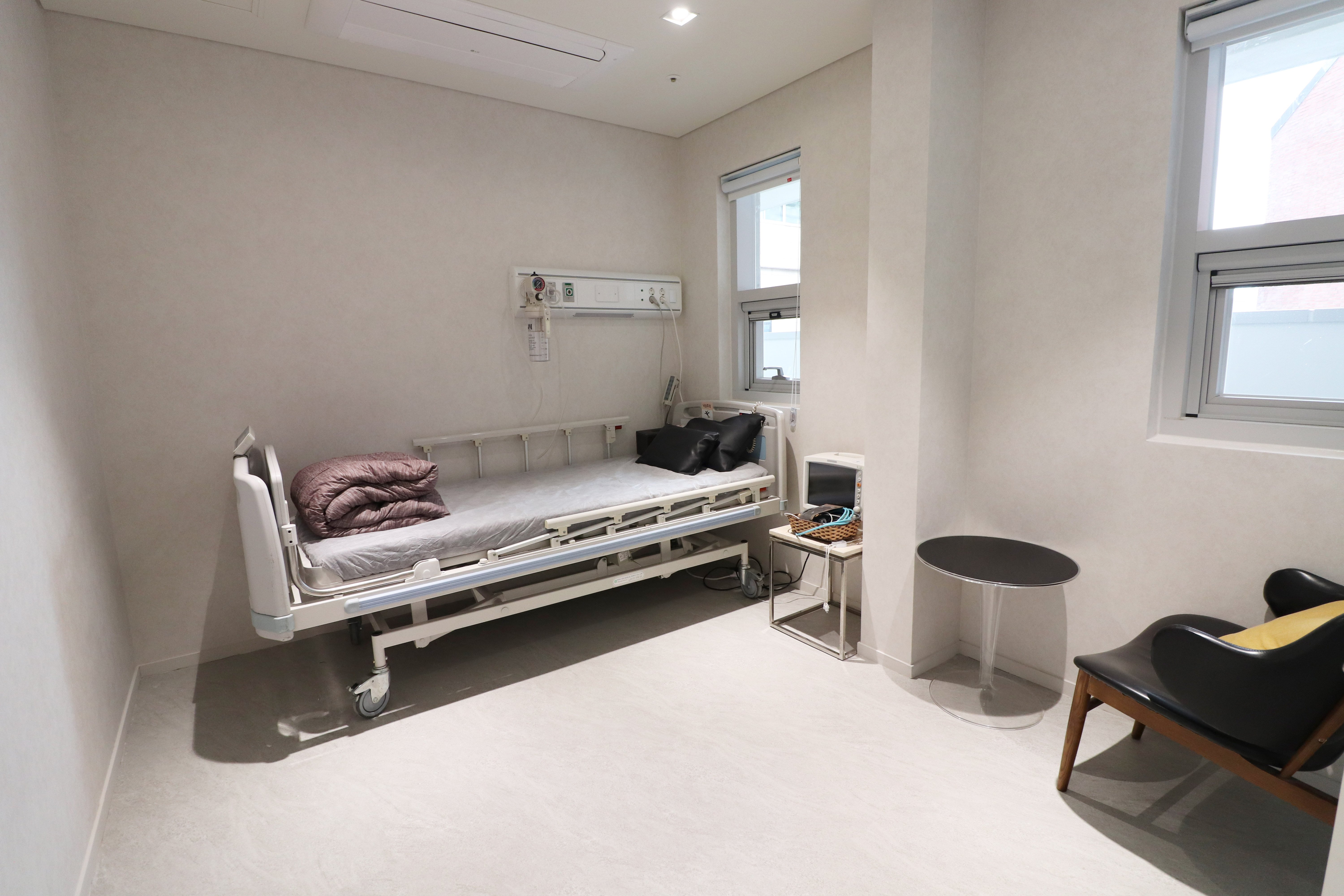
Procedures at plastic surgery clinics in Gangnam for foreigners
Understanding the purpose of a procedure makes it easier to have a productive consultation. Verygood plastic surgery offers both initial and revision options, including treatments involving cartilage, fat transfer, incisions, and nonincisional techniques. The details matter: a procedure selected for the nasal tip is not the same as one intended to change the eyelid or jaw. Discuss the treatment area, technique, and any proposed materials separately. The following overview can help patients prepare questions about the services offered.
Eye surgery and eyelid revision
Eye procedures at Verygood plastic surgery include double eyelid surgery, natural adhesion, nonincisional ptosis correction, and revision eyelid surgery using an incision. Canthoplasty options include procedures involving the inner or outer eye area and vertical lengthening. Under-eye fat transfer and eye line correction are also offered. These procedures address different concerns, so patients should explain whether their priority relates to an eyelid crease, eye shape, the under-eye area, or a previous surgical result.
During an eye surgery consultation, ask the attending doctor how the proposed technique relates to your concern and whether an incision is involved. If you are considering revision, describe the earlier procedure, when it took place, and what you would like to discuss about the result. Existing surgical records can help communicate that history. You can also ask about expected swelling, the appearance and location of any incision, and when follow-up is recommended. Changes may take time depending on individual condition, and the appearance during early recovery should not be treated as the final result. Bring questions about both function and appearance if you have concerns about how your eyelids feel or move. The appropriate discussion depends on the examination and your medical history.
Eye procedures differ in the areas they address and the techniques they use. A clear description of your concern and any previous surgery helps focus the consultation on relevant options.
Nose surgery and cartilage options
Rhinoplasty services include augmentation rhinoplasty, tip plasty, alar reduction, and procedures addressing a hump or a deviated nose. Osteotomy is also listed among the techniques used in nose surgery. For patients seeking a change after a previous operation, Verygood plastic surgery offers revision rhinoplasty, including approaches using a patient’s own rib cartilage or donated rib cartilage. The choice of approach and material is a matter for discussion with the attending doctor.
When discussing rhinoplasty, identify the features you want to address rather than assuming that one technique will cover every concern. Augmentation and tip plasty, for example, refer to different aspects of the proposed operation and may be discussed together. Ask what the recommended technique is intended to change, whether cartilage is proposed, and what using that material would involve. If your own rib cartilage is being considered, ask about the additional surgical area and its recovery. For revision surgery, share details of prior procedures and any known materials used. Patients concerned about a deviated nose should also explain any breathing concerns to the medical staff. A discussion of appearance should not replace a discussion of function, medical history, and surgical risks.
Breast, facial contouring, and body procedures
Breast services include augmentation, reduction, nipple and areola procedures, surgery for additional breast tissue, and gynecomastia surgery. Facial contouring options include cheekbone reduction, square jaw reduction, chin procedures, and paranasal augmentation. Verygood plastic surgery also offers facial and body liposuction, including mini liposuction. Each procedure addresses a different area or concern, so ask the medical staff to explain the intended scope rather than relying on a general category name.
Anti-aging services include facial fat grafting, facial liposuction, face lifting, endoscopic forehead lifting, and thread lifting. Under-eye procedures and eye surgery for middle-aged women are also offered. If you are considering a lifting or contouring procedure, discuss which area concerns you, what changes you hope to see, and whether the proposed approach involves surgery. Ask about incisions, recovery, and the possibility that changes may take time to become apparent.
For any procedure, ask how the proposed plan relates to your health and preferences. A consultation can include questions about anesthesia, scarring, risks, and the care needed afterward. If several areas are under consideration, ask the attending doctor to explain each proposed treatment and how the recovery plan would be affected. Take time to understand the plan before deciding, particularly if you are organizing travel around treatment.
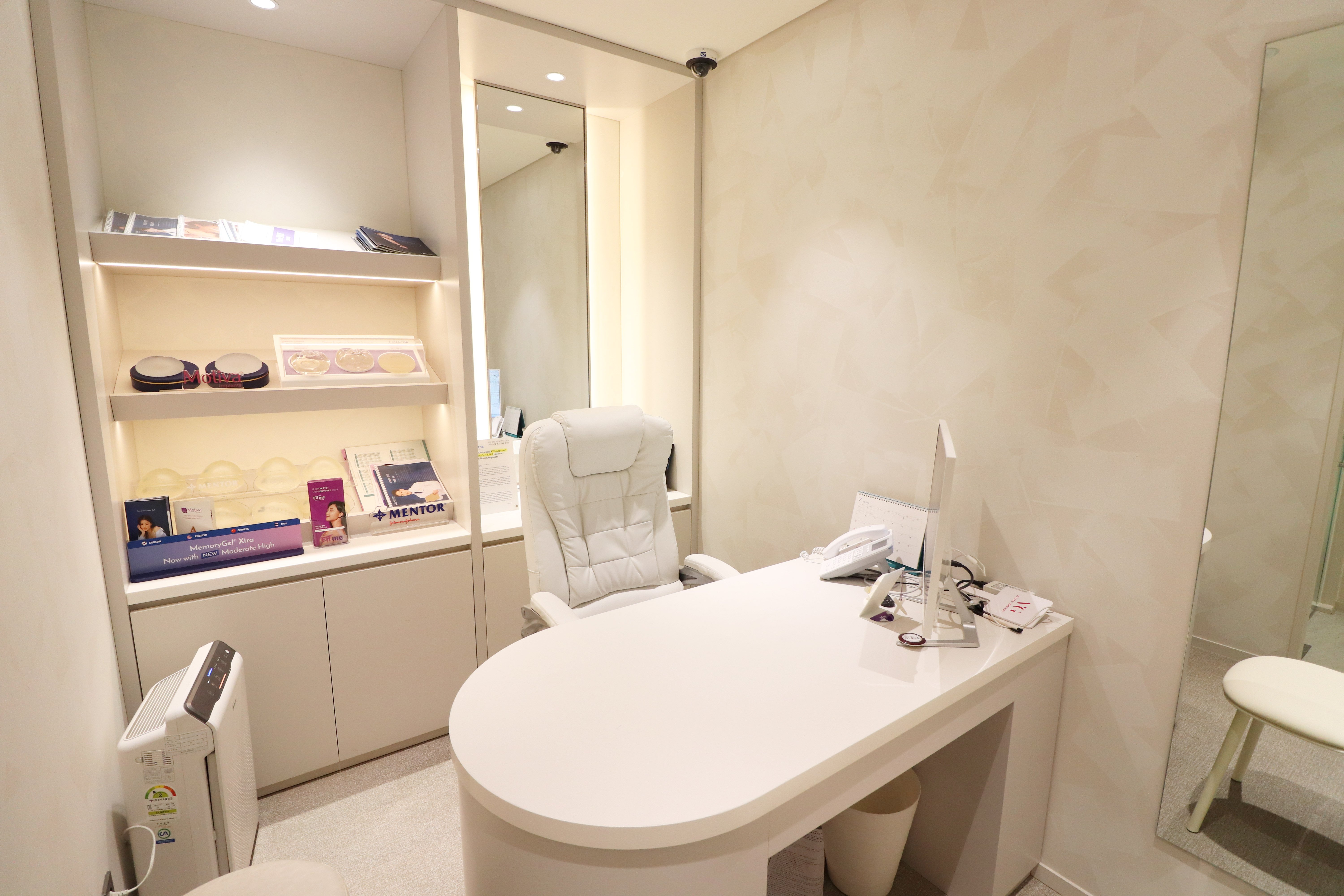
Planning a visit to plastic surgery clinics in Gangnam for foreigners
A well-planned visit starts before travel. Prepare a concise medical history, identify your main questions, and consider how much flexibility you have for recovery and follow-up. Verygood plastic surgery describes a safe plastic surgery system, and patients can ask the medical staff how safety considerations apply to their proposed procedure. Understanding the plan, its risks, and your responsibilities during recovery is an important part of informed consent. Costs, timing, and suitability should be discussed in relation to the individual treatment plan.
What to prepare for consultation
Bring information about previous operations, current health conditions, medications, supplements, and any allergies. If you have had plastic surgery before, available records may help the medical staff understand the earlier treatment. Prepare a short list of your main concerns and questions, including what you would like to change and what matters most to you during recovery. If you use photographs to explain your preferences, be ready to discuss the differences between a reference image and your own anatomy.
Ask for an explanation of the proposed procedure in terms you can repeat back and understand. Useful questions include: What area will be treated? Will an incision be involved? Are any grafts or implants being considered? What are the relevant risks and alternatives? For revision surgery, ask how the earlier operation affects the discussion. You can also request an explanation of the anticipated recovery process and when the medical staff would want to review your progress. If you need additional time or language assistance to understand the information, raise that before agreeing to treatment. Consent should follow understanding, not travel pressure. A prepared question list can help you cover practical details without losing sight of your main reason for seeking a consultation.
Preparation makes a consultation more useful: bring your medical history, define your priorities, and ask how the proposed procedure would be carried out. Make sure you understand the risks and recovery requirements before making a decision.
Points to consider before treatment
All surgery involves risks, and the relevant considerations depend on the procedure and the patient. Topics to discuss include bleeding, infection, scarring, anesthesia-related risks, and the possibility that additional treatment could be needed. Ask about procedure-specific concerns as well, such as the use of cartilage in rhinoplasty or incisions in eyelid revision. The attending doctor can explain how your medical history may affect the assessment and what precautions are appropriate for you.
Recovery is also an important part of the decision. Swelling and other temporary changes can affect appearance after surgery, and changes may take time depending on individual condition. Ask what to expect during recovery, which activities to avoid, and how to recognize symptoms that need prompt medical attention. If a procedure involves more than one surgical area, ask about care for each area. International patients should discuss the timing of follow-up and the return journey before finalizing travel arrangements. If you plan to recover away from home, consider who can help with practical needs and how you will obtain medical attention if necessary. A clear aftercare plan is part of evaluating a procedure, not an afterthought.
Costs, scheduling, and follow-up
The cost of treatment depends on the procedure and the individual plan. Ask for a clear explanation of what the proposed fee covers and whether any additional services may affect the total. If more than one procedure is being considered, ask how each component is reflected in the estimate. This is also a good time to discuss the proposed sequence of care and the amount of time you should allow for consultation, treatment, and recovery.
Before arranging travel, ask how appointments are scheduled and what follow-up the medical staff recommends for your proposed procedure. Find out how to contact the clinic if questions arise after your visit and what to do if you experience concerning symptoms. Keep your travel plans flexible enough to accommodate the advice you receive. The appropriate timing for travel and follow-up depends on the treatment and your individual recovery.
Finally, review the proposed plan at your own pace. You should understand the treatment area, technique, potential risks, estimated cost, and recovery instructions before proceeding. If any part of the explanation is unclear, ask for clarification. A useful decision is one that reflects your goals and health as well as the practical realities of traveling for care. The medical staff can address questions about the procedure you are considering and the next steps in your consultation.





Frequently Asked Questions
Q.What kind of care does Verygood plastic surgery offer?
A.Verygood plastic surgery offers eye, nose, breast, facial contouring, anti-aging, and body procedures, including revision eye and nose surgery.
Q.Who might consider a consultation?
A.A consultation may be useful for someone considering a change to the eyes, nose, breasts, face, or body, or someone seeking to discuss a previous eye or nose procedure.
Q.What nose surgery options are available?
A.Options include augmentation rhinoplasty, tip plasty, alar reduction, and revision rhinoplasty. Revision options include procedures using a patient’s own rib cartilage or donated rib cartilage.
Q.What should I prepare before a consultation?
A.Prepare your medical history, details of previous procedures, and questions about your goals, risks, and recovery. Ask for a treatment-specific cost estimate during the consultation.
Q.Where is Verygood plastic surgery, and how can I contact the clinic?
A.Verygood plastic surgery is at 635 Nonhyeon-ro, Gangnam-gu, Seoul, Republic of Korea. The phone number is 02-596-9006.
 Verygood plastic surgery