
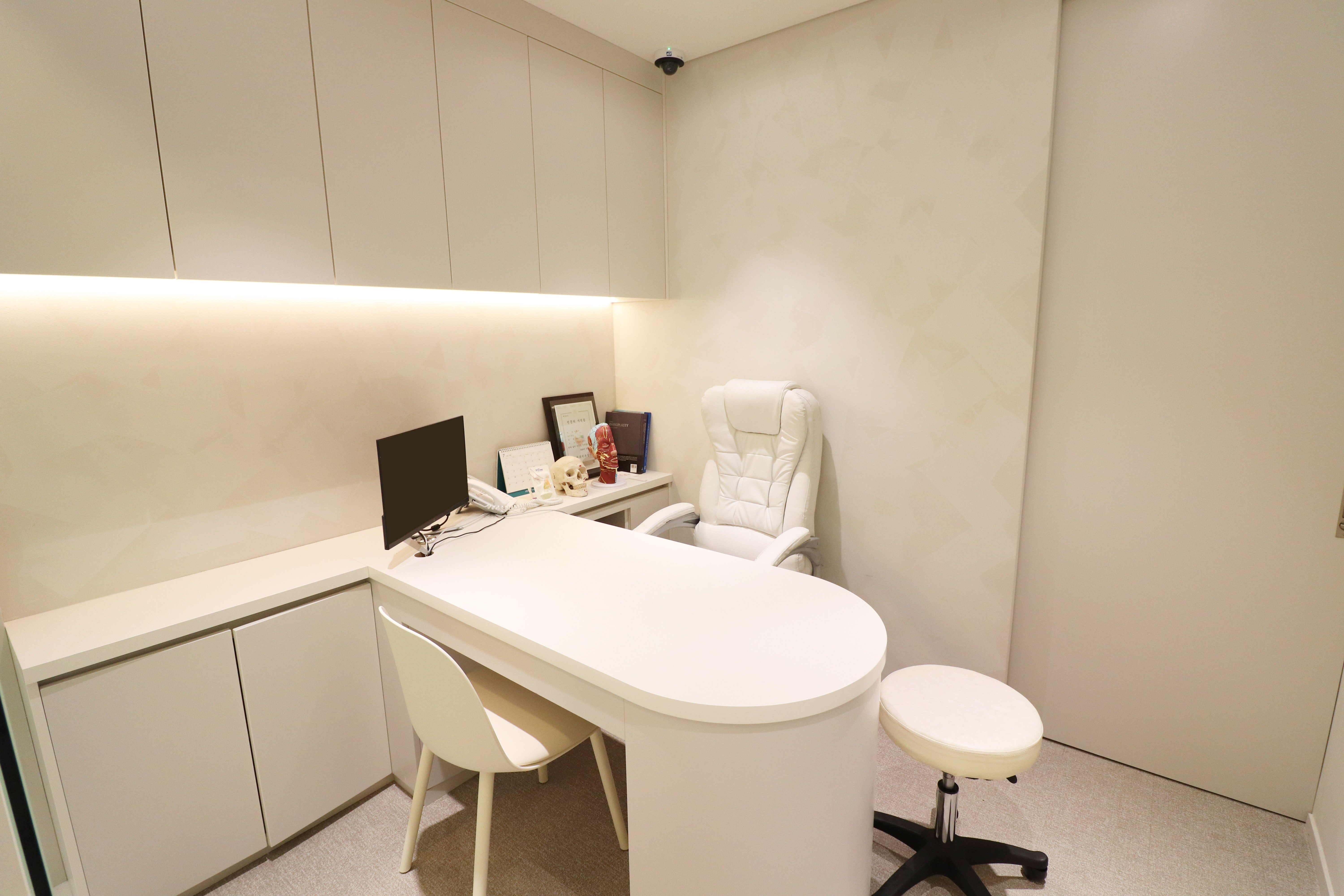
Choosing plastic surgery clinics with English interpreters in Korea
For an international patient, understanding the consultation is part of making an informed decision about plastic surgery. An interpreter can help convey questions and preferences, while the medical staff explains the proposed procedure, its limits, and relevant instructions. When considering plastic surgery clinics with English interpreters in Korea, ask how English communication is arranged and whether interpretation covers consultations and follow-up. Verygood plastic surgery offers a range of surgical and aesthetic services. Confirm the communication arrangements directly before relying on an interpreter for any part of care.
Why interpretation matters during a consultation
A consultation involves more than describing a desired appearance. Patients may need to explain their medical history, previous procedures, concerns, and expectations. They also need to understand the medical staff’s questions and explanations. An interpreter can support that exchange by translating both directions and clarifying unfamiliar terms. Accurate communication helps each person understand what is being discussed, but it does not replace a clinical assessment or guarantee a particular result.
Before the appointment, write down your main goals and questions in clear, simple language. Include any prior procedures and relevant health information, and bring a record of medications if applicable. Ask how the clinic handles interpretation and whether the interpreter will be present for the consultation and any later discussions. You can also request that complex points be restated in plain English. These steps make it easier to identify unanswered questions and to distinguish between a proposed treatment plan and an outcome that cannot be promised. Make sure you understand the plan before deciding whether to proceed.
An interpreter can support a clear exchange, but informed decision-making still depends on discussing your individual needs with the medical staff. Confirm when interpretation is available and ask for clarification whenever a recommendation or instruction is unclear.
What to clarify about English communication
Do not assume that an English-language website or booking message means interpretation is available throughout treatment. Ask whether the consultation itself can be interpreted, how questions are handled, and how post-procedure instructions are communicated. If you are traveling, clarify how you can contact the clinic with questions after leaving. These are practical details that help you plan, without making assumptions about the clinic’s arrangements.
It may help to prepare a short list covering your main concern, the result you hope to achieve, and what you consider an acceptable change. Ask the medical staff to explain the proposed procedure, alternatives, recovery guidance, and points that require attention. If a term is unfamiliar, ask for a plain-language explanation rather than relying on a quick translation alone. Interpretation is most useful when both sides have time to speak, listen, and check understanding. Bring a trusted companion if that is helpful to you, but do not let another person answer clinical questions on your behalf unless you want them to.
Understanding the clinic’s services
Verygood plastic surgery lists services across eye, nose, breast, anti-aging, facial contouring, and body surgery. The listed eye procedures include double eyelid surgery, eye-shape revision, canthoplasty, and under-eye fat transfer. Nose services include rhinoplasty and rhinoplasty using costal cartilage. Ask which procedure, if any, is relevant to your specific concern rather than choosing from a procedure name alone.
The clinic’s listed facial contouring procedures include zygoma reduction, square jaw reduction, V-line chin surgery, and front cheekbone surgery. Its anti-aging services include facial fat grafting, facial liposuction, face lifting, endoscopic forehead lift, and thread lifting. Breast services include augmentation, reduction, and nipple, areola, or polymastia surgery; body services include body liposuction and mini liposuction. These names describe service categories, not a recommendation for any individual. During a consultation, ask the medical staff to explain the purpose of a suggested procedure, what it involves, and what factors shape the treatment plan.
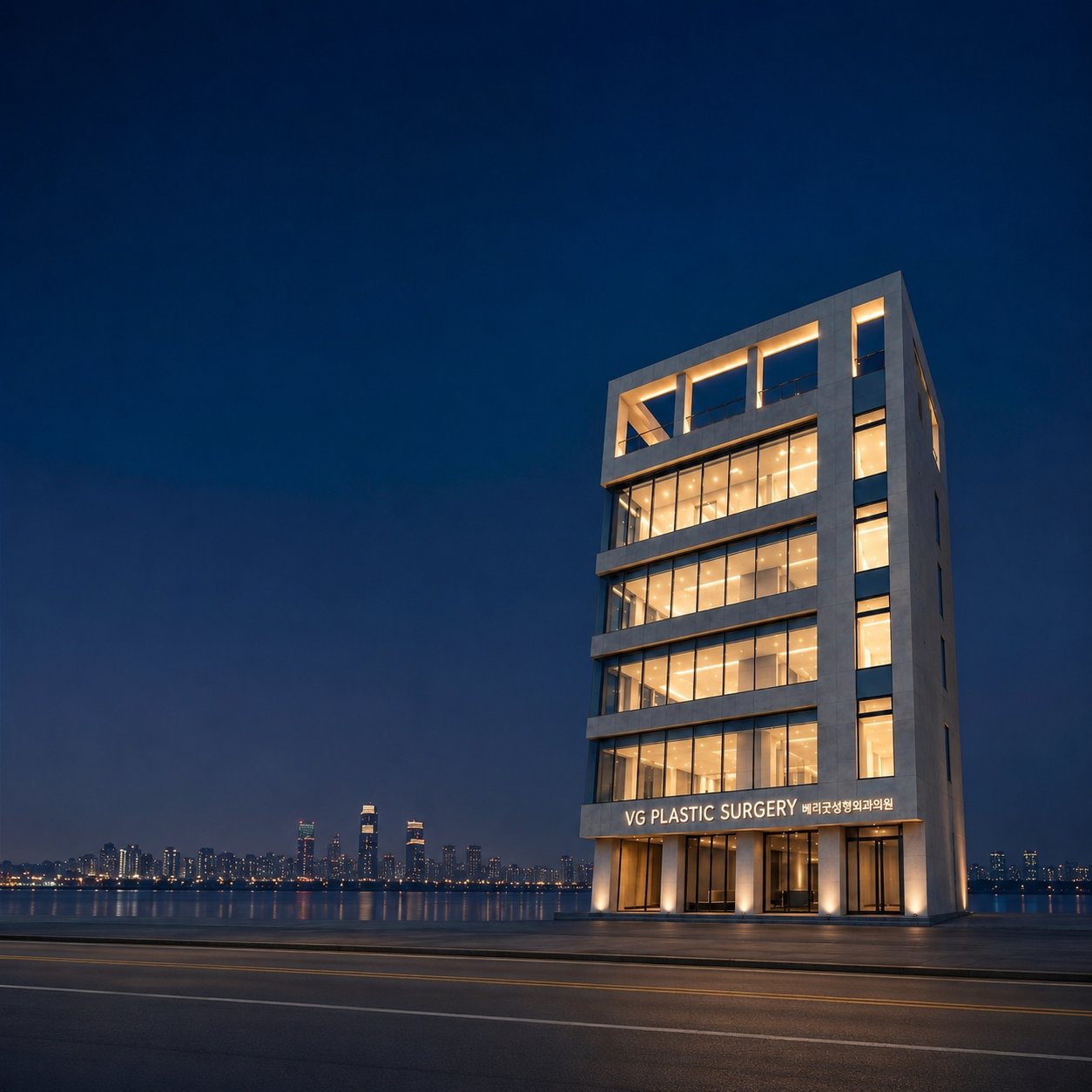
Planning treatment at plastic surgery clinics with English interpreters in Korea
Planning is easier when a patient knows what they want to ask and understands the procedure under consideration. At Verygood plastic surgery, the listed services cover multiple areas, so begin by identifying the concern you want to discuss rather than selecting a procedure based only on its name. If you are comparing plastic surgery clinics with English interpreters in Korea, include communication arrangements in your planning. Ask the clinic how English interpretation is handled before scheduling or making travel plans.
Match the discussion to your concern
Different concerns call for different conversations. A patient asking about eyelid appearance may want to discuss double eyelid surgery, eye-shape revision, or canthoplasty. Someone considering changes to the nose can ask about rhinoplasty options, including procedures using costal cartilage. The names of these services are not a substitute for assessment; the medical staff can discuss whether a listed procedure is appropriate to consider.
Describe what you would like to change and what you would prefer to preserve. Use photographs only as a way to explain your preferences, not as a promise of an identical result. Ask what the proposed procedure is intended to address, what other approaches may be discussed, and which personal factors affect the plan. If you have had surgery before, mention it clearly, especially if you are asking about revision rhinoplasty or revision eyelid surgery. An interpreter can help convey these details, but the clinical discussion should remain between you and the medical staff. Request clarification whenever an explanation feels incomplete or a translated term does not make sense.
Start with your concern, then discuss the relevant service with the medical staff rather than treating a procedure name as a personal recommendation. Clear interpretation can help patients explain their priorities and understand the options being discussed.
Ask about procedure details and expectations
A useful consultation explains the proposed procedure in terms you can understand. Ask what area it addresses, what the treatment involves, and how the medical staff will assess whether it suits your situation. If the discussion includes more than one procedure, ask why each is being considered and whether each has a distinct purpose. Keep a written record of the answers so you can review them after the appointment.
For nose surgery, the clinic lists options such as tip plasty, osteotomy, augmentation rhinoplasty with tip plasty, and revision rhinoplasty using rib cartilage. For eye surgery, listed services include revision eyelid surgery, nonincisional ptosis correction, and canthoplasty. These options are not interchangeable, and a service listing alone does not establish which one is appropriate for you. Ask the medical staff to explain the differences in relation to your concerns and individual assessment. Discuss the expected course of care and instructions in language you understand. If an interpreter is involved, allow time to pause and check that questions and answers have been conveyed accurately.
Prepare questions and practical details
Before contacting Verygood plastic surgery, make a concise list of what you want to know. Include questions about the consultation, the proposed procedure, preparation, recovery guidance, and communication in English. The clinic’s listed features include a safe plastic surgery system, and patients can ask the medical staff to explain the relevant process for their care.
Practical planning should include how you will receive appointment details and instructions, especially if you are traveling. Ask whether interpretation is available at the appointment and how follow-up communication works. Make sure you know how to contact the clinic if you need to clarify an instruction. Avoid making a decision based on a translated summary alone if important details remain unclear. Instead, request a complete explanation before proceeding. Keeping your questions in writing can help you cover the points that matter most to you.
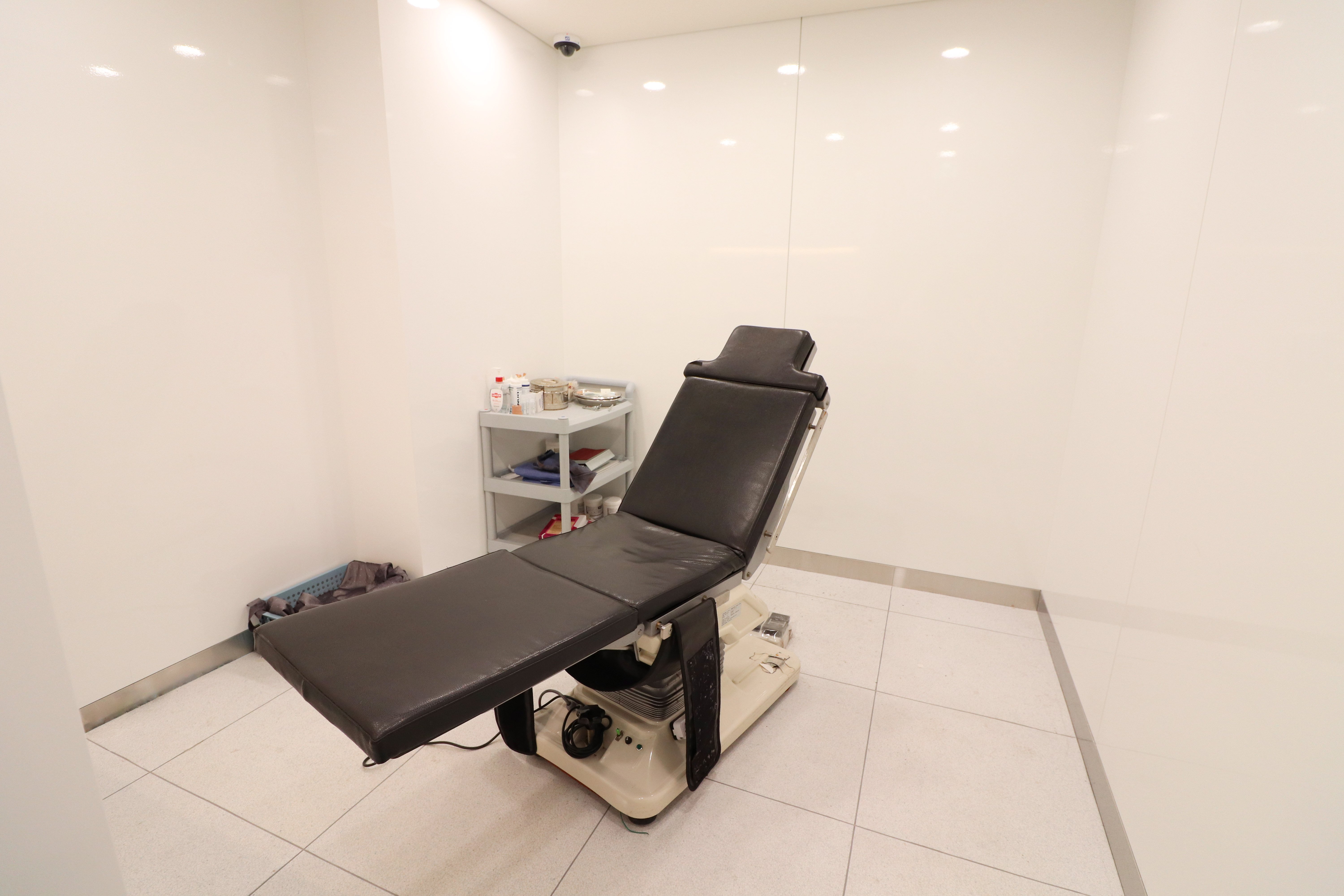
Communicating with plastic surgery clinics with English interpreters in Korea
Clear communication continues beyond the first consultation. Patients need to understand the plan, any preparation instructions, and how to raise concerns during follow-up. When considering plastic surgery clinics with English interpreters in Korea, establish how communication works at each stage rather than focusing only on the initial appointment. Verygood plastic surgery lists consultation information and a range of procedures. Contact the clinic directly to ask about English interpretation and the practical arrangements for your intended service.
Make the consultation two-way
A productive conversation gives both the patient and the medical staff time to explain and ask questions. Describe your goals in specific terms, and share relevant history, including previous procedures. Ask the medical staff to summarize the proposed plan and explain any terms that are unfamiliar. An interpreter can assist with this exchange when arranged, but patients should still ask for repetition or clarification whenever needed.
It can be useful to separate your questions into three groups: the concern you want to address, the procedure being considered, and the care instructions you need to understand. Ask what the medical staff recommends for your case and why. If you are discussing a procedure such as facial contouring, rhinoplasty, or breast surgery, make sure the explanation relates to your own assessment rather than general descriptions. You should have a chance to ask follow-up questions before deciding. A clear conversation is one in which you can explain your priorities and understand the response—not simply one in which an interpreter is present.
Good communication involves more than translating words; it also means checking that the patient understands the plan and can ask questions. Confirm interpretation arrangements and make time to review important instructions in English.
Review instructions before and after treatment
Preparation and aftercare instructions should be understandable and practical for the patient. Ask the clinic how instructions will be communicated and whom to contact if a point needs clarification. If you receive written guidance, review it with the medical staff or interpreter and make a note of anything that remains uncertain. Do not rely on guesses when following medical instructions.
Travel plans can make follow-up communication especially important. Before arranging travel, ask how the clinic communicates after an appointment and how you can raise questions once you are away. Confirm whether English interpretation is available for any follow-up discussion you expect to need. Keep appointment details and instructions accessible, and make sure you understand who to contact about care-related concerns. These steps do not predict how recovery will proceed; they help you plan for communication. A treatment decision should be made only after you understand the proposed care and have had an opportunity to discuss your questions.
Contact Verygood plastic surgery
Verygood plastic surgery is a plastic surgery clinic at 635 Nonhyeon-ro, Gangnam-gu, Seoul, Republic of Korea. The clinic’s listed services include eye, nose, breast, anti-aging, facial contouring, and body procedures. Patients interested in English-language communication can contact the clinic to ask about interpreter arrangements, consultation options, and the service they wish to discuss.
For direct inquiries, call 02-596-9006. When contacting the clinic, state your main concern and ask how English interpretation is handled for the consultation and any follow-up communication. You can also ask what information to prepare before discussing a procedure. These questions help you understand the practical arrangements before making an appointment or travel plans.
Keep your inquiry focused and note any response that needs clarification. If you are considering a specific listed procedure, use its name as a starting point, then explain your concern in your own words. Ask the medical staff to discuss whether that option fits your situation. Confirm the details of communication directly with the clinic so your expectations are clear before proceeding.




Frequently Asked Questions
Q.What kind of place is Verygood plastic surgery?
A.Verygood plastic surgery is a plastic surgery clinic offering listed services in eye, nose, breast, anti-aging, facial contouring, and body procedures. Its stated feature includes a safe plastic surgery system.
Q.Who might consider contacting Verygood plastic surgery?
A.People seeking information about the clinic’s listed plastic surgery services can contact Verygood plastic surgery to discuss their concerns. The medical staff can address whether a procedure is relevant to an individual case.
Q.What procedures does Verygood plastic surgery list?
A.Listed services include double eyelid surgery, canthoplasty, rhinoplasty, breast augmentation and reduction, facial contouring, face lifting, and body liposuction. The clinic also lists procedures such as rhinoplasty using costal cartilage and endoscopic forehead lift.
Q.What should I prepare before contacting the clinic?
A.Prepare a brief description of your concern and a list of questions about the procedure, preparation, and follow-up communication. Ask directly how English interpretation is arranged.
Q.Where is Verygood plastic surgery, and how can I contact it?
A.Verygood plastic surgery is at 635 Nonhyeon-ro, Gangnam-gu, Seoul, Republic of Korea. Call 02-596-9006 to make an inquiry.
 Verygood plastic surgery