
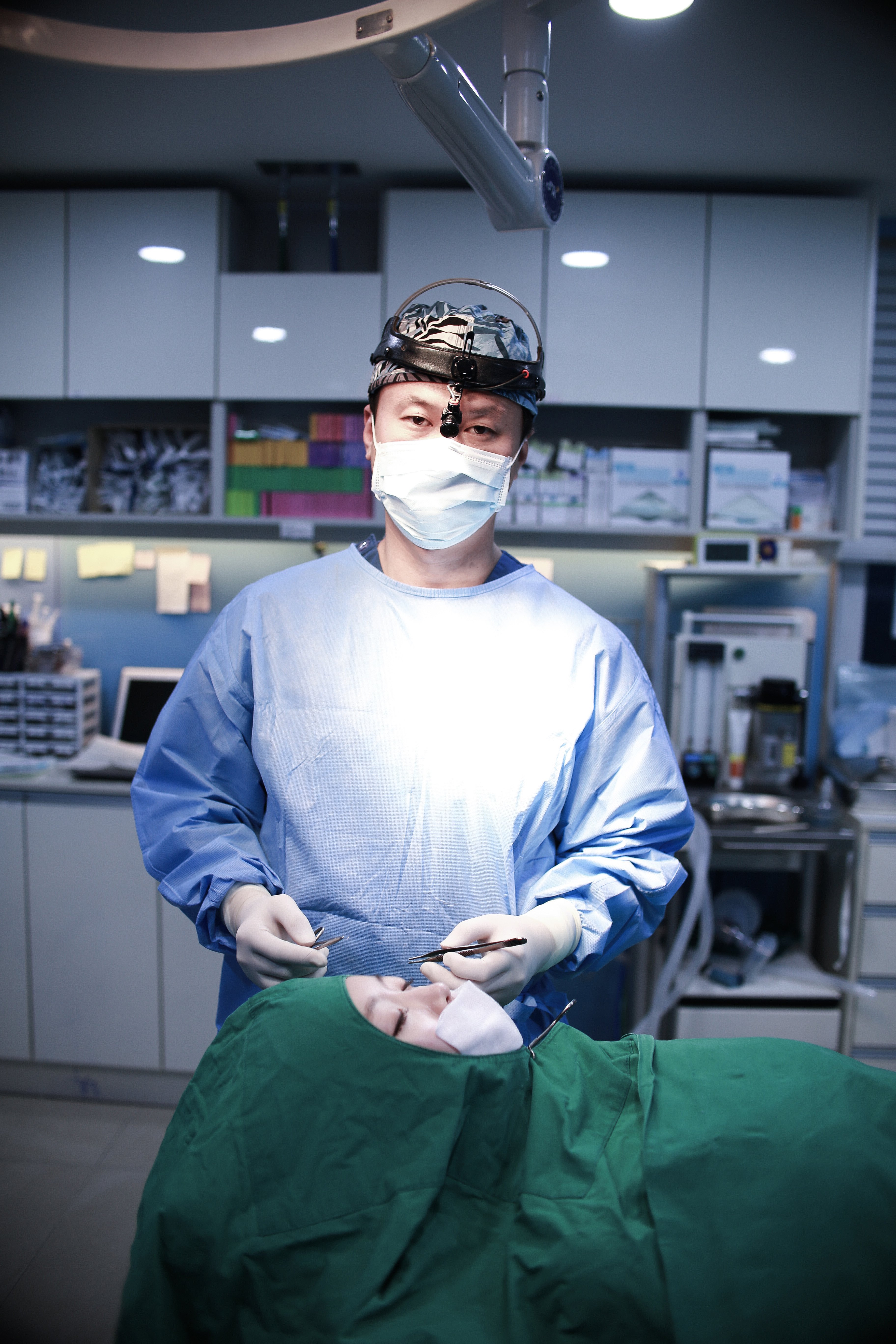
Korea facial contouring clinics: Preparing for your consultation
A useful consultation begins with a clear description of what you want to discuss, rather than a fixed expectation of a particular procedure. Facial shape can reflect bone structure, soft tissue, or a combination of factors, so different concerns call for different approaches. At Verygood plastic surgery, the services listed include cheekbone reduction and full-face fat grafting. The attending doctor can assess your concerns and explain whether a proposed approach is appropriate for your individual circumstances.
Identify the changes you want to discuss
Before your visit, consider which features concern you and why. You might want to discuss the width or prominence of your cheekbones, or changes in facial volume. Describe the concern in your own words and identify whether it is most noticeable to you from the front, in profile, or from another angle. This gives the medical staff a starting point for the consultation without assuming that a particular technique will achieve the appearance you have in mind.
Reference photographs can also help you communicate, but use them as conversation tools, not as a promise of a matching result. Lighting, camera angle, expression, and editing can all affect how a face appears in an image. Your own anatomy and health also matter when considering treatment. If you bring photographs, explain which features appeal to you and ask whether those features are relevant to your facial structure. It is equally useful to describe what you do not want changed. For example, you may have concerns about altering the balance between your cheekbones and the rest of your face. A specific conversation about priorities can help you understand the choices being proposed and decide whether the expected change aligns with your goals.
A productive consultation starts with a description of your concerns and an open discussion of your facial anatomy. Photographs can help communicate preferences, but the treatment decision should rest on an individual assessment.
Gather your medical history
Bring information about previous operations, including any facial procedures, and be ready to discuss existing medical conditions. Tell the attending doctor about allergies and all medicines, supplements, and herbal products you use. If you have experienced problems with anesthesia or healing in the past, mention those as well. Do not stop or change prescribed medication on your own; ask the doctor who prescribes it and the attending doctor for guidance.
If you have had facial surgery before, bring relevant records when available. These might include procedure notes, imaging, or details of any implants or grafts. Such information can help the medical staff understand what was done previously and identify questions that need attention during the assessment. Be candid about smoking or nicotine use and any health concerns that could affect healing or anesthesia. You can also write down questions in advance, especially if you are comparing different treatment approaches. The aim is not to arrive with every detail memorized, but to give the attending doctor enough information to discuss suitability and plan care. If a record is unavailable, share what you know rather than guessing about the details.
Plan the consultation conversation
Ask the attending doctor to explain the proposed procedure in plain language, including the area being treated and the type of change intended. Discuss whether the recommendation addresses bone, soft tissue, or both. You can also ask what alternatives, including no treatment, are appropriate for your concern. This discussion should help you understand the reasoning behind a recommendation rather than choosing solely on the basis of a procedure name.
It is reasonable to ask about the attending doctor’s experience with the proposed procedure, the planned anesthesia, and how follow-up care is arranged. Request an explanation of the expected recovery as well as potential complications. If a term is unfamiliar, ask for it to be explained before moving on. You should understand the proposed treatment and have an opportunity to ask questions before providing consent.
| What to bring or prepare | How it helps the consultation |
|---|---|
| A description of your concerns | Helps identify the features you want to discuss |
| Medication and allergy information | Supports a discussion of treatment and anesthesia considerations |
| Previous surgical records, if available | Helps explain prior treatment and changes to the face |
| A written list of questions | Helps you cover risks, recovery, costs, and follow-up |
Allow yourself time to review the information after the consultation. A written list can make it easier to compare what you hoped to discuss with what the attending doctor recommended. If you feel uncertain about the procedure, expected recovery, or possible risks, ask for clarification before making a decision. You can also consider seeking another medical opinion. The goal is an informed choice that takes your health, preferences, and practical circumstances into account.
Korea facial contouring clinics: Understanding treatment options
Facial contouring is a broad description, not a single operation. The appropriate discussion depends on the feature you want to address and the attending doctor’s assessment. Verygood plastic surgery lists cheekbone reduction and full-face fat grafting among its services. These procedures address different aspects of facial appearance, so it is important to understand what each one involves before deciding whether to pursue treatment. A procedure’s name alone cannot tell you whether it is suitable for you.
Cheekbone reduction
Cheekbone reduction is a bone-contouring procedure discussed by people concerned about the prominence or width of the cheekbone area. During a consultation, ask the attending doctor how your facial structure relates to your concern and what changes the proposed operation is intended to make. The discussion should cover the surgical approach, anesthesia, recovery, and potential complications, as well as any limitations relevant to your anatomy.
Because this is surgery involving facial bone, careful planning and a clear understanding of aftercare are important. Ask whether imaging or other assessment is appropriate in your case, and how the medical staff will evaluate your health before treatment. Potential complications to discuss include infection, bleeding, changes in sensation, asymmetry, and complications related to anesthesia. The attending doctor can explain which risks are particularly relevant to you and how concerns would be addressed if they arise. Also ask how swelling may affect your appearance during recovery and when follow-up assessments are recommended. Changes may take time depending on individual condition, so the appearance immediately after surgery should not be treated as the final result. No operation can promise a particular appearance.
Cheekbone reduction and fat grafting address different features, so choosing between them starts with an assessment rather than a label. Ask how a proposed treatment relates to your anatomy, what recovery involves, and which risks deserve particular attention.
Full-face fat grafting
Full-face fat grafting is an option to discuss when the concern relates to facial volume rather than bone width. The procedure uses fat transferred to areas of the face. Ask the attending doctor which areas would be treated, where the fat would be taken from, and how the procedure is performed. The consultation should also cover anesthesia, recovery, potential complications, and the possibility that the amount of retained fat may differ between individuals.
When discussing fat grafting, explain whether your concern is focused on a particular area or on the overall balance of the face. The attending doctor can assess whether fat transfer is appropriate and explain the proposed treatment plan. Ask about potential unevenness, swelling, infection, and other risks relevant to your case, including uncommon but serious complications. It is also useful to discuss how the donor area may feel and what care it may need after the procedure. Avoid assuming that more volume is necessarily the right approach: the decision should reflect your anatomy and preferences. As with other procedures, results cannot be guaranteed, and changes may take time depending on individual condition.
Other procedures to discuss
Verygood plastic surgery also lists procedures involving the nose, eyelids, and forehead, including rhinoplasty, eyelid revision, and an endoscopic forehead lift. These are distinct from cheekbone reduction and fat grafting. If you are considering more than one facial change, explain your priorities and ask the attending doctor how each proposed procedure relates to your goals. A consultation can help you distinguish between treatments rather than treating every facial concern as a contouring issue.
For nose-related concerns, listed procedures include tip plasty, alar reduction, and revision rhinoplasty. For eyelid concerns, the listed services include nonincisional ptosis correction and revision eyelid surgery. Each has its own considerations, and the presence of a service does not mean it is appropriate for every patient. Ask about the purpose of the recommended procedure, the expected recovery, and the risks specific to that procedure before deciding.
| Listed service | Consultation topic |
|---|---|
| Cheekbone reduction | Concerns about the cheekbone area and facial bone structure |
| Full-face fat grafting | Concerns about facial volume and the proposed treatment areas |
| Rhinoplasty procedures | Concerns about the nose and any previous nasal surgery |
| Eyelid procedures | Concerns about the eyelids and any previous eyelid surgery |
If more than one procedure is proposed, ask whether the attending doctor recommends treating them together or separately and why. Discuss how that choice could affect anesthesia, recovery, and follow-up. It is also appropriate to ask whether addressing one concern first would leave other decisions open for later. Take notes on the explanation and make sure you understand which parts of the plan are recommendations rather than requirements. You do not need to commit to every option discussed during a consultation.
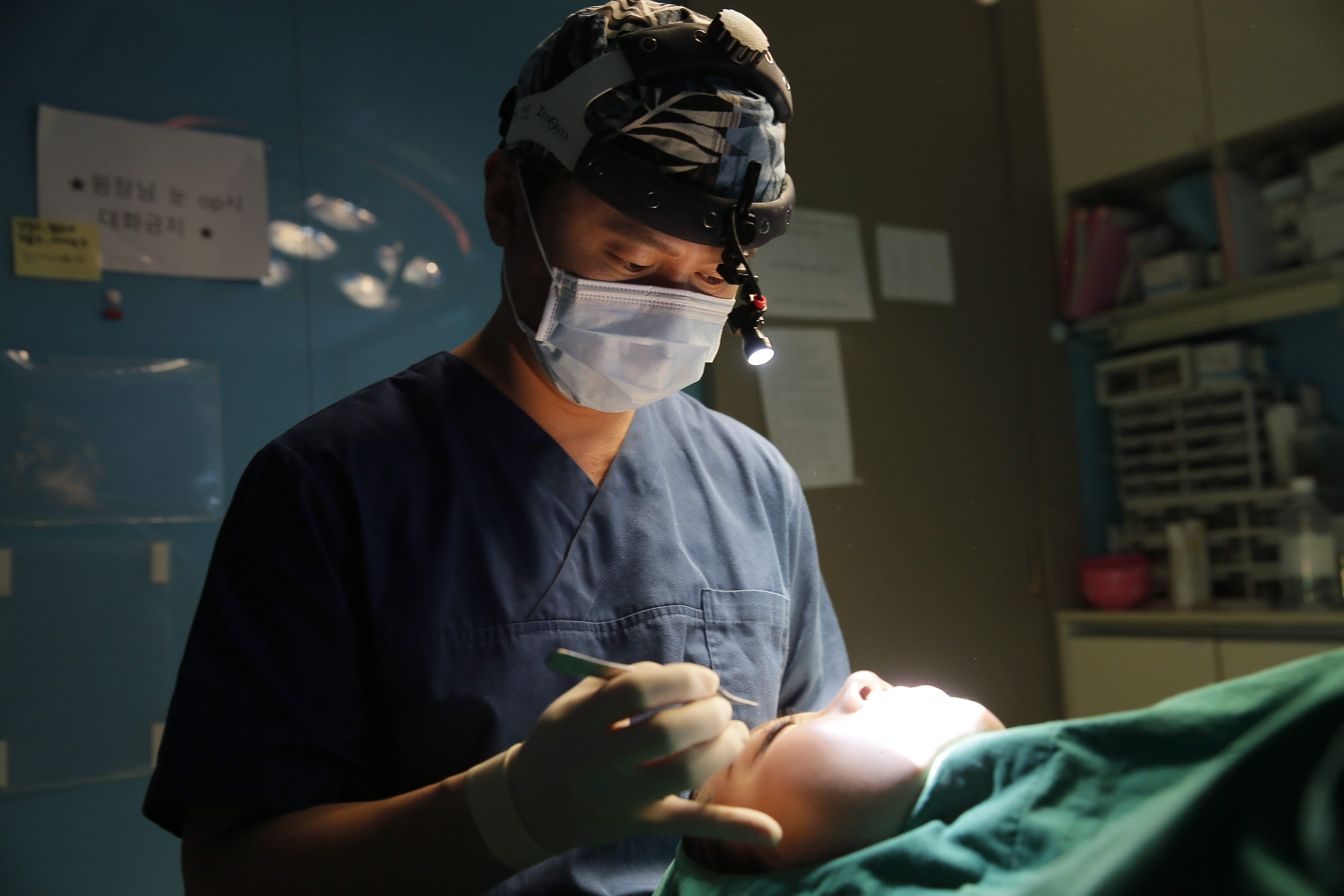
Korea facial contouring clinics: Planning recovery and travel
Preparation extends beyond the consultation itself. If you decide to have surgery, discuss the recovery plan with the medical staff before arranging work, accommodation, or travel. Ask what assistance you may need after anesthesia, how follow-up will be handled, and when travel is appropriate for your circumstances. Costs and recovery plans depend on the proposed treatment and individual condition, so request an explanation that applies to your own care.
Discuss recovery and follow-up
Ask what changes are expected during early recovery and which activities you should avoid. Depending on the procedure, swelling, bruising, discomfort, or temporary changes in sensation may occur. The attending doctor can explain how to care for the treated areas and whether there are restrictions on exercise, eating, sleeping position, or other daily activities. Follow the instructions given for your procedure rather than applying advice intended for a different operation.
Before treatment, establish how you will contact the medical staff if you have concerns and what follow-up appointments are recommended. Ask for written aftercare instructions if available, including guidance on medicines and wound care. It is especially important to understand which symptoms require urgent medical attention. Severe or worsening pain, difficulty breathing, heavy bleeding, or sudden vision changes should not be ignored; seek urgent medical care when needed. If you are traveling from outside Korea, discuss how long you should remain nearby and what to do if a concern develops after you return home. Recovery differs by person and procedure, so avoid scheduling a departure around an assumed healing period. Build your plans around the attending doctor’s assessment and the follow-up care you may need.
Recovery planning is part of the treatment decision, particularly when travel is involved. Before scheduling surgery, understand the aftercare instructions, follow-up arrangements, and signs that require urgent attention.
Ask about costs and consent
Request a clear explanation of the proposed costs before agreeing to treatment. Ask what is included in the estimate and whether anesthesia, tests, medication, follow-up visits, or additional care are billed separately. If more than one procedure is being considered, ask how each part of the plan is described. This makes it easier to understand the financial commitment without assuming that every quote covers the same services.
Consent is more than signing a form. The attending doctor should explain the purpose of the procedure, its potential benefits and risks, reasonable alternatives, and what recovery may involve. Ask questions until you understand the information and feel able to make a decision. If you are not comfortable with the proposed plan, you can take time to consider it or choose not to proceed. For international visitors, it is also sensible to discuss how information will be communicated during consultation and aftercare. Make sure you can understand the instructions you receive and can explain any symptoms or concerns. Keep copies of relevant treatment and aftercare information for your own records, particularly if you will continue medical care away from the clinic.
Prepare practical arrangements
If treatment is planned, ask whether you will need someone to accompany you after anesthesia and help during early recovery. Consider the demands of daily activities, including meals, transportation, and rest. Follow the medical staff’s instructions on preparing for anesthesia, including any directions about food, drink, and medication. Because these instructions depend on the planned procedure and your health, do not rely on a general checklist as a substitute for individualized advice.
For a trip to Seoul, consider your accommodation and transportation in relation to any recommended follow-up visits. Leave room in your plans for the possibility that the attending doctor may need to reassess you before travel. Ask how to reach the medical staff after treatment and where to seek urgent care if needed. If you have responsibilities at home or work, make arrangements that allow you to follow the recommended recovery plan.
| Planning area | Question to ask |
|---|---|
| Aftercare | What instructions apply to my procedure? |
| Follow-up | When should I return for assessment? |
| Travel | When is it appropriate for me to travel? |
| Costs | What services are included in the estimate? |
Finally, keep your decision focused on your own health and priorities. A well-prepared visit gives you the opportunity to discuss your concerns, learn about suitable options, and understand the responsibilities involved in recovery. If the proposed procedure or aftercare does not fit your circumstances, discuss that openly with the attending doctor. The most useful outcome of a consultation is a clear understanding of your choices, including the choice to take more time before deciding.





Frequently Asked Questions
Q.What kind of services does Verygood plastic surgery offer?
A.Verygood plastic surgery offers plastic surgery services, including cheekbone reduction, full-face fat grafting, rhinoplasty, and eyelid procedures.
Q.Who might consider a facial contouring consultation?
A.A consultation may be useful for someone who wants to discuss cheekbone prominence, facial volume, or another concern about facial appearance. The attending doctor can assess whether a procedure is appropriate.
Q.What facial contouring procedures can I discuss?
A.You can discuss cheekbone reduction and full-face fat grafting. These address different concerns, so the attending doctor can explain how each relates to your goals.
Q.What should I prepare before my visit?
A.Bring a list of your medicines and allergies, details of previous facial procedures, and any relevant medical records available. You can also prepare questions about the proposed treatment, recovery, and costs.
Q.Where is Verygood plastic surgery, and how can I contact the clinic?
A.Verygood plastic surgery is at 635 Nonhyeon-ro, Gangnam-gu, Seoul, Republic of Korea. The phone number is 02-596-9006.
 Verygood plastic surgery