
Korea rhinoplasty plastic surgery clinics: services and approach
When comparing Korea rhinoplasty plastic surgery clinics, look beyond a procedure name and consider how a clinic discusses the nose’s structure, your goals, and the scope of treatment. At Verygood plastic surgery, rhinoplasty is one of the clinic’s listed surgical fields, with options that include augmentation, tip plasty, osteotomy, and corrective rhinoplasty. The clinic identifies its core approach as a Safe Plastic Surgery System. A consultation is an opportunity to discuss the proposed procedure, relevant techniques, and questions specific to your health and expectations.
Rhinoplasty procedures at Verygood plastic surgery
Verygood plastic surgery lists several rhinoplasty procedures, including augmentation rhinoplasty, tip plasty, and corrective rhinoplasty. Other listed procedures address concerns such as a hump nose, a deviated nose, or nostril width through alar reduction. These terms describe different surgical aims; they are not interchangeable options for every patient. The procedure to discuss depends on the features being addressed and the medical assessment. Use a consultation to understand which procedure, if any, fits your individual goals.
Some surgical plans focus on a particular feature, while others may combine techniques. The clinic lists augmentation rhinoplasty with tip plasty, osteotomy, and alar reduction among its approaches. Osteotomy involves work on the nasal bones, while tip plasty addresses the nasal tip; whether either is appropriate depends on the individual case. A hump nose or deviated nose procedure may also require a tailored plan rather than a standard package. Ask the medical staff to explain the purpose of each proposed step, how the plan relates to your concerns, and what alternatives are relevant. A clear explanation of the intended changes is an important part of informed decision-making.
Rhinoplasty covers a range of procedures, from augmentation and tip work to corrective surgery. The key is to understand the purpose of each technique in your proposed plan and how it relates to your own anatomy and goals.
Cartilage options and corrective surgery
Verygood plastic surgery lists rhinoplasty using costal cartilage, self-rib cartilage, and donated rib cartilage, including corrective rhinoplasty procedures. Cartilage choices can be part of a surgical discussion, but the available options do not determine suitability on their own. A medical assessment is needed to consider the existing nasal structure, the goals of surgery, and relevant medical history. Ask what material is being proposed and why it is being considered for your case.
Corrective rhinoplasty is listed as a service at the clinic, with approaches that include self-rib cartilage and donated rib cartilage. The choice of material and technique should be discussed in relation to the reason for considering revision and the nose’s current structure. If you have had previous surgery, share relevant details with the medical staff, including what was done and any concerns you have now. This context can support a more focused discussion of possible approaches. Do not assume that a technique used in one corrective case will be appropriate in another. Request a clear explanation of the planned procedure, the intended scope, and the factors that may affect the plan.
Cartilage options and corrective procedures should be considered in the context of prior surgery and individual anatomy. Discuss the proposed material and technique directly with the medical staff rather than relying on a general description.
Questions to raise during a consultation
A useful consultation begins with clear priorities. Describe the changes you are considering and identify any concerns about function, appearance, or previous treatment. Ask which procedures the medical staff are proposing and what each one is intended to address. If terms such as osteotomy, tip plasty, or augmentation are used, ask for an explanation in plain language. Understanding the plan is more useful than choosing a technique based on its name alone.
It can also help to ask how the recommended approach relates to your medical history and whether more than one technique is being considered. Bring information about prior nasal procedures and any relevant health concerns. You may want to clarify what preparation is required, what follow-up involves, and how to contact the clinic if questions arise after the consultation. Verygood plastic surgery lists medical staff information and consultation information among its clinic resources. Review the points that matter to you and allow time to consider the discussion before making a decision.
During the conversation, pay attention to whether the proposed plan is explained in a way you can follow. You should be able to ask questions about the intended changes, the techniques under consideration, and the steps involved in care. If a recommendation is unclear, ask the medical staff to restate it. Informed consent depends on understanding the planned treatment and its relevant considerations. Individual goals and anatomy vary, so a general overview cannot replace an assessment. A careful discussion supports realistic expectations and helps you decide whether to proceed, ask for clarification, or take more time.
Korea rhinoplasty plastic surgery clinics: choosing a procedure
Choosing among Korea rhinoplasty plastic surgery clinics requires more than matching a concern to a procedure label. An appropriate plan depends on an individual assessment and a shared understanding of the intended changes. Verygood plastic surgery lists rhinoplasty for men, augmentation rhinoplasty, tip plasty, osteotomy, and corrective rhinoplasty among its services and techniques. These offerings provide subjects to discuss, not a promise that a particular procedure will suit every person. Ask how the clinic’s recommended approach addresses your priorities and what factors shape the decision.
Matching a concern to a surgical approach
Different concerns can lead to different consultation topics. Someone considering a nasal bridge change may ask about augmentation rhinoplasty, while a discussion focused on the tip may include tip plasty. A concern about a hump or deviation may prompt questions about the listed hump nose and deviated nose procedures, including whether osteotomy is relevant. These are starting points for discussion rather than self-diagnosis. The medical staff can assess the features involved and explain which options are appropriate to consider.
It is helpful to describe the result you hope to achieve in practical terms, rather than arriving with a fixed technique in mind. For example, you can explain which feature draws your attention and what you would like to discuss about it. The medical staff can then relate your concerns to the procedures offered, such as augmentation, tip plasty, or osteotomy. Some plans may involve more than one technique, while others may focus on a single area. Ask the clinic to explain the role of every proposed procedure and how the overall plan is determined. This keeps the conversation focused on your case instead of assuming that a named technique is suitable for everyone.
A procedure name is a starting point for conversation, not a personal recommendation. Describe your goals, then ask how the proposed approach addresses them and why it is being considered for your case.
Rhinoplasty for men and individual planning
Verygood plastic surgery lists rhinoplasty for men as one of its services. The presence of a gender-specific service does not mean that all patients share the same goals or need the same technique. A consultation should address each person’s concerns, nasal structure, and desired changes. Ask how the proposed plan is individualized and which procedures are being considered, rather than assuming that a particular template applies to everyone.
People seeking rhinoplasty may differ in the features they want to discuss, their previous treatment history, and their expectations. For that reason, a useful planning conversation should be specific to the individual. Explain what you would like to address and ask the medical staff to clarify how the recommendation relates to those priorities. If you are considering rhinoplasty for men, you can also ask what the clinic means by that service and whether the proposed technique differs in your case. The clinic lists augmentation rhinoplasty with tip plasty and other procedures, but a service listing alone does not establish which option is appropriate. Personalized assessment, clear communication, and realistic expectations should guide the decision.
Before deciding, consider whether you understand the proposed scope and the steps involved. Ask about preparation, follow-up, and how questions are handled after treatment. It is reasonable to take time to review the information and reflect on whether the proposed changes match your goals. If you have had prior nasal surgery, make sure that history is part of the discussion, particularly if corrective rhinoplasty is being considered. The medical staff can explain the options relevant to your assessment. No single description of rhinoplasty for men or any other service can substitute for an individual consultation.
Understanding the proposed techniques
Procedure names can be unfamiliar, so ask for plain-language explanations. Tip plasty refers to work focused on the nasal tip, while osteotomy relates to the nasal bones. Augmentation rhinoplasty addresses adding structure or definition, and alar reduction is listed as an option related to the nostrils. Understanding the intended role of each technique helps you take part in decisions about your care.
When several techniques are mentioned together, ask how they relate to one another and what concerns each is intended to address. For example, the clinic lists augmentation rhinoplasty with tip plasty and augmentation rhinoplasty with osteotomy among its approaches. These combinations should not be read as standard recommendations; a plan must reflect the individual assessment. You can ask what alternatives are relevant, what preparation is needed, and what information the medical staff use to reach a recommendation. If you are unsure about a term, request a simple explanation and confirm that you understand the scope before making a decision.
It is also useful to distinguish a general service list from an individual treatment plan. A clinic may offer several procedures, but your consultation should establish which, if any, are relevant to your case. Ask the medical staff to explain the proposed steps and how they relate to your stated priorities. Discuss expectations openly and avoid treating a procedure name as a guarantee of a particular appearance. Changes may take time depending on individual condition, and outcomes cannot be assumed from a procedure description alone. Keep the conversation centered on your health, goals, and understanding of the plan.
Korea rhinoplasty plastic surgery clinics: planning your visit
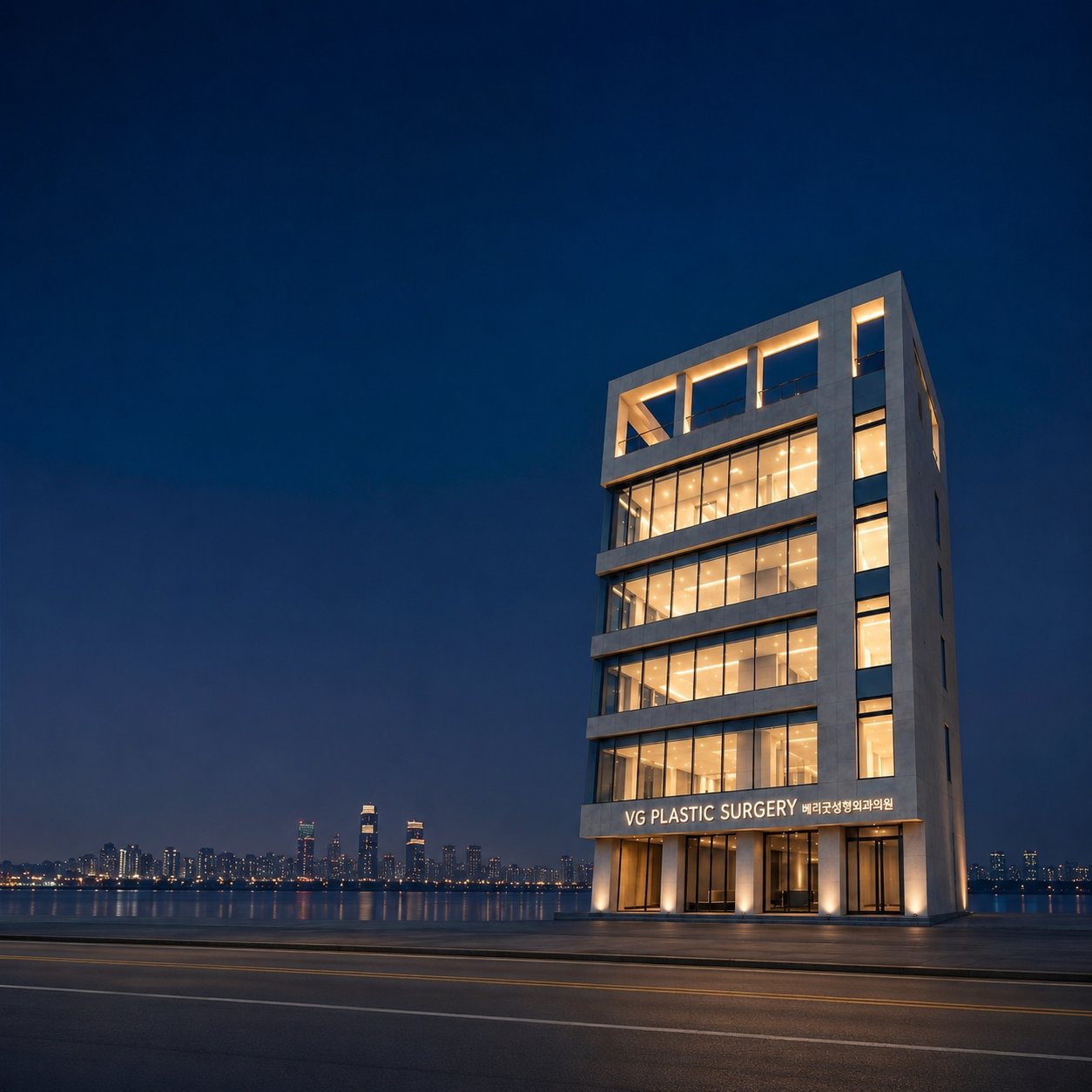
When researching Korea rhinoplasty plastic surgery clinics, practical details matter alongside the surgical discussion. Verygood plastic surgery is located at 635 Nonhyeon-ro, Gangnam-gu, Seoul, Republic of Korea, and its phone number is 02-596-9006. The clinic lists consultation hours and clinic information as resources. Before arranging a visit, prepare questions about your goals, relevant medical history, the procedure under consideration, and what to expect from consultation and follow-up. Clear preparation can make the conversation more focused and useful.
What to prepare before consultation
Before a consultation, write down the concerns you want to discuss and the questions you need answered. Include details of previous nasal surgery or treatment, if applicable, and share relevant health information with the medical staff. Consider which changes matter most to you and which aspects you are uncertain about. This preparation helps keep the discussion centered on your priorities and gives the clinic a clearer basis for explaining possible approaches.
You do not need to choose a procedure before the appointment. Instead, arrive ready to describe your goals and ask about the options that may be relevant. If you are interested in augmentation, tip plasty, osteotomy, or corrective rhinoplasty, ask what the procedure involves and how the medical staff assess whether it fits your case. You can also ask about preparation, follow-up, and the information you should review before making a decision. Take time to confirm that you understand the proposed plan before consenting to treatment. Clear communication helps you make an informed choice without relying on assumptions drawn from general descriptions.
Preparing your questions and sharing relevant medical history can make a consultation more focused. Use the visit to understand the proposed plan, clarify unfamiliar terms, and consider your decision at your own pace.
Safety and informed decision-making
Verygood plastic surgery identifies its core competitiveness as a Safe Plastic Surgery System. During consultation, ask the medical staff to explain how the proposed procedure is planned and what information is relevant to your individual case. A safety-focused discussion should give you room to raise health concerns, clarify the scope of treatment, and understand the next steps. Avoid making a decision based only on a procedure label or a general description.
Informed decision-making includes understanding what is proposed and being able to ask follow-up questions. Discuss your goals and medical history, and ask the medical staff to explain the procedures and materials being considered. If cartilage is part of the plan, clarify whether self-rib cartilage or donated rib cartilage is being discussed and why. If the procedure involves osteotomy, tip plasty, or another technique, ask what that step is intended to address. These questions do not replace medical advice; they help you participate in the conversation. Individual circumstances vary, so recommendations should be based on your assessment rather than generalized expectations. Take the time you need to understand the information before proceeding.
It is also appropriate to ask about the care pathway, including preparation and follow-up, before making a decision. Discuss how to raise questions if something is unclear and what information you will receive about the proposed treatment. The clinic lists medical staff information and consultation information among its resources. Use the consultation to address your own circumstances rather than relying solely on online descriptions. A thoughtful decision is based on a clear understanding of the proposed care and your personal priorities.
Contact and practical next steps
Verygood plastic surgery is located at 635 Nonhyeon-ro, Gangnam-gu, Seoul, Republic of Korea. For clinic inquiries, call 02-596-9006. The clinic also lists consultation hours and clinic information, which can help you plan a visit. Confirm appointment arrangements and any practical details directly before traveling.
Before contacting the clinic, organize your questions about the procedure, consultation, and preparation. If you have prior surgical records or relevant medical information, ask whether to bring them. You can also note the rhinoplasty options you want to discuss, such as augmentation, tip plasty, or corrective procedures, without assuming that any one is suitable. Use direct communication with the clinic to clarify appointment details and make the most of your consultation.
After your consultation, take time to review what you learned and identify any questions that remain. You may want to confirm the proposed procedure, the reason for each technique, and the follow-up plan before deciding. If the plan includes cartilage or more than one procedure, ask for a clear explanation of the choices. No general article can determine which treatment is right for an individual. Your decision should follow a discussion with the medical staff and reflect your own goals, health information, and understanding of the proposed care.





Frequently Asked Questions
Q.What kind of clinic is Verygood plastic surgery?
A.Verygood plastic surgery is a plastic surgery clinic in Seoul. Its listed services include rhinoplasty, corrective rhinoplasty, eye surgery, breast surgery, anti-aging procedures, facial contouring, and body surgery.
Q.Who may want to consult about rhinoplasty?
A.People considering changes to the nasal bridge, tip, hump, deviation, or nostril width may discuss their goals with the medical staff. The appropriate approach depends on an individual assessment.
Q.What rhinoplasty procedures does Verygood plastic surgery list?
A.Listed procedures include augmentation rhinoplasty, tip plasty, osteotomy, alar reduction, rhinoplasty for men, and corrective rhinoplasty. The clinic also lists options using self-rib cartilage and donated rib cartilage.
Q.What should I prepare before a rhinoplasty consultation?
A.Prepare questions about your goals, relevant medical history, previous nasal procedures, and the techniques under consideration. Pricing and the proposed plan should be discussed directly in relation to your case.
Q.Where is Verygood plastic surgery, and how can I contact the clinic?
A.Verygood plastic surgery is at 635 Nonhyeon-ro, Gangnam-gu, Seoul, Republic of Korea. Call 02-596-9006 for inquiries.
 Verygood plastic surgery