
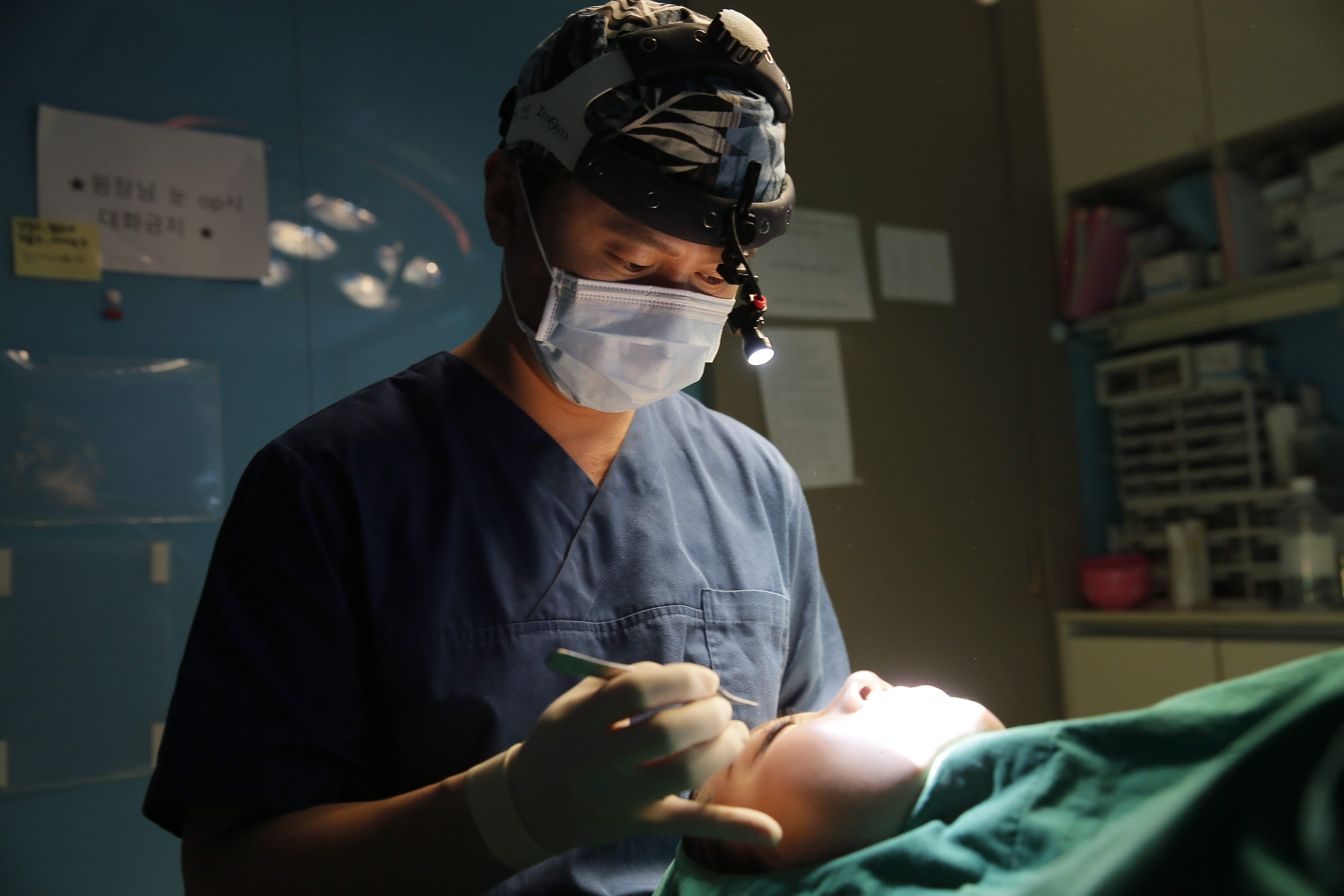
Planning international patient interpretation services in Seoul
For an international patient, a plastic surgery consultation involves more than describing a desired change. It is also a chance to discuss medical history, understand treatment options, and ask what recovery may involve. Before booking, ask Verygood plastic surgery whether interpretation is available for your language and which parts of the visit it covers. This allows you to plan how you will communicate during the consultation and any later appointments. The clinic offers procedures including eye surgery, rhinoplasty, breast surgery, and facial contouring.
Ask about language support before your visit
Start by telling our clinic which language you are most comfortable using for medical discussions. Ask whether an interpreter can help during the consultation and whether support is also available for discussions about consent, payment, and postoperative instructions. Do not assume that interpretation arrangements are the same at every stage of care. If support is available, ask how to arrange it and whether you need to request it when booking. You can also ask how to communicate with our clinic if you have questions after returning home.
A consultation may include unfamiliar terms, even for someone who speaks English confidently in everyday situations. Procedure names, descriptions of anatomy, and instructions about medication deserve particular attention. Consider preparing a short written list of the terms or topics you want explained. During the appointment, ask the medical staff to define unfamiliar words and explain how each proposed step relates to your situation. If an interpreter is present, allow time for the full question and answer to be conveyed before moving on. It is also reasonable to ask for a point to be repeated or phrased differently. Understanding the discussion matters more than moving quickly through it. Before making a decision, review any written information with the medical staff and ask about anything that remains unclear. Interpretation can support the conversation, but your treatment questions should still be answered by the attending doctor.
Arrange the communication details before you travel or book a procedure. A clear discussion should cover not only the operation itself, but also consent, recovery, and how to ask follow-up questions.
Prepare information for the consultation
Bring a concise medical history and be ready to discuss previous operations, current medications, allergies, and relevant health conditions. If you have had surgery in the area you want treated, records may help the attending doctor understand your history. Make a separate list of your goals and concerns, using plain language where possible. For example, explain what bothers you and what you hope to discuss rather than assuming a particular procedure is appropriate. Our clinic’s medical staff can then discuss options with you.
It can also help to organize questions by topic. Begin with the area you want assessed, then move to the proposed procedure, preparation, recovery, and follow-up. If you have a limited stay in Seoul, mention your travel plans early so the medical staff can discuss the timing of care and appointments. Ask what records or photographs would be useful to bring, particularly if you are considering revision surgery. Be precise about previous treatment: an operation, an injection, or another procedure can be relevant to the discussion, even if it happened some time ago. You can write down answers or ask whether written instructions are available in a language you understand. If someone accompanies you, decide in advance whether you want that person to help you remember questions or take notes. An accompanying person should not replace the discussion between you and the medical staff.
Use clear, specific questions
Broad questions such as “Is this right for me?” can be a useful starting point, but follow-up questions make the answer more meaningful. Ask what the procedure involves, why it is being considered, and what alternatives the attending doctor would discuss for your circumstances. If a procedure name is unfamiliar, ask the medical staff to explain it in everyday language. You can also repeat your understanding back to the attending doctor so any misunderstanding can be corrected before you make a decision.
For a discussion about rhinoplasty, for example, ask which part of the nose the proposed treatment addresses and whether the plan includes work on the nasal tip or bone. For an eye surgery consultation, ask how the proposed approach relates to your eyelids and the change you are seeking. These questions help connect a procedure name to your individual treatment plan; they do not establish that any procedure is suitable for you. The attending doctor should assess your circumstances before recommending care.
Keep your questions practical and open-ended. Ask what you should do before treatment, how to recognize a concern during recovery, and whom to contact if you need advice. If a reply is translated, make sure you understand whether it refers to your specific plan or describes the procedure generally. Request clarification whenever instructions seem inconsistent or incomplete. Taking time to establish a shared understanding can make it easier to decide whether you are ready to proceed.
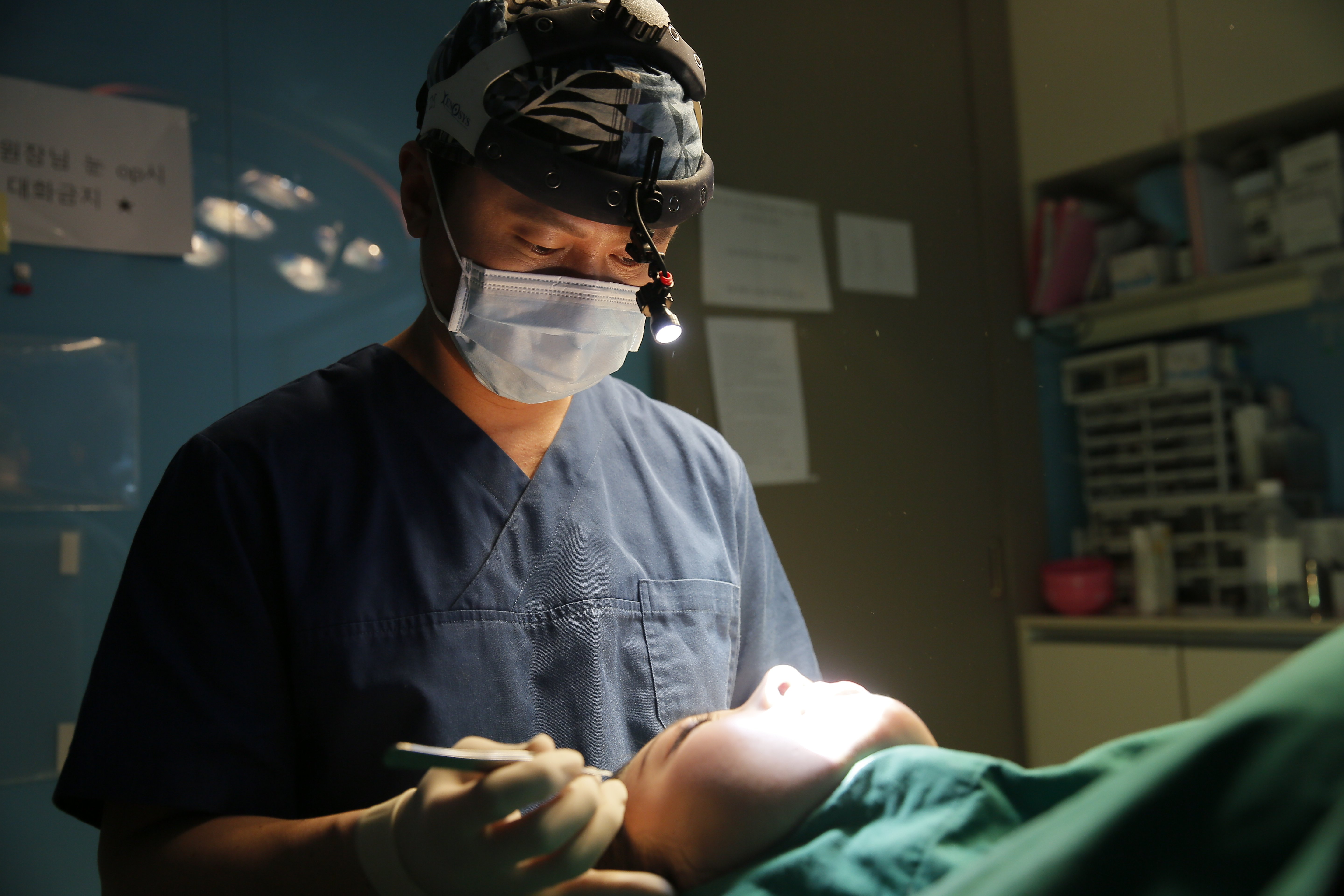
Using international patient interpretation services in Seoul for treatment discussions
Interpretation is most useful when it helps you take part fully in a medical discussion. At Verygood plastic surgery, consultations can address procedures involving the eyes, nose, breasts, face, and body. The right questions depend on the treatment you are considering and your medical history. Ask the attending doctor to explain the proposed procedure, alternatives, expected recovery, and relevant risks in terms you understand. If interpretation is arranged, use it to clarify details rather than relying only on a translated procedure name.
Discuss eye and nose procedures
Our clinic offers eye procedures including double eyelid surgery, canthoplasty, eye shape revision, under-eye fat transfer, and eyelid line correction. Rhinoplasty services include nasal augmentation, tip plasty, procedures involving the nasal bone, and revision rhinoplasty. These names describe different areas or approaches; they are not interchangeable recommendations. During a consultation, ask which procedure is being considered for you and what it is intended to address. If you have had previous eye or nose surgery, explain what was done and bring relevant records if available.
For rhinoplasty, the medical staff may discuss the nasal tip, bridge, or bone, depending on your concerns and assessment. Cartilage can also be part of a discussion about rhinoplasty or revision rhinoplasty. Our clinic lists procedures using a patient’s own rib cartilage as well as donated rib cartilage. Ask the attending doctor whether any material is proposed for your case and what that choice would involve. For eye surgery, ask how the proposed technique relates to the eyelid or surrounding area. If you are considering a revision, describe both the earlier procedure and the issue you would like assessed. Ask the medical staff to distinguish a general description from a recommendation for you. You should also ask about healing, follow-up, and relevant risks before deciding. Changes may take time depending on your individual condition and the procedure involved.
A procedure name is a starting point for discussion, not a treatment plan. Ask the attending doctor to explain the proposed approach and how it relates to your anatomy, history, and goals.
Explore other treatment areas
Verygood plastic surgery also offers breast surgery, facial contouring, facial lifting, fat grafting, and liposuction. Listed breast procedures include augmentation and reduction. Facial contouring services include cheekbone reduction, jaw reduction, and chin procedures, while facial lifting options include an endoscopic forehead lift and thread lifting. These treatments address different concerns and involve different considerations. Ask the medical staff which options, if any, are appropriate to discuss after reviewing your health and goals.
When discussing a facial or body procedure, identify the area you want assessed and describe the change you are considering. The attending doctor can explain the proposed treatment and whether more than one approach is relevant to the consultation. Ask what the procedure involves, what preparation is needed, and how recovery may affect your travel plans or daily activities. If you are considering more than one procedure, ask how the medical staff would assess the overall plan rather than assuming that treatments should be combined. Request an explanation of the potential benefits and risks of each proposed procedure. You can also ask what follow-up is expected and what to do if you have concerns after leaving Seoul. Take time to review the information and avoid treating a list of available services as a substitute for an individual assessment.
Points to consider before treatment
Every procedure requires an individual discussion of risks, preparation, and recovery. Ask the attending doctor about complications relevant to the treatment being proposed, as well as any factors in your medical history that could affect the plan. If you take medication or have an existing condition, share that information rather than changing your routine on your own. The medical staff can explain whether any preparation is needed. If an instruction is unclear, ask for it to be explained again before treatment.
Consent is another important part of the conversation. Before signing, make sure you understand the proposed procedure, the relevant risks and alternatives, and the questions you can still ask. If a document is not in a language you read comfortably, ask how its contents will be explained to you. You should not feel obliged to proceed until you understand the treatment being proposed and have had an opportunity to discuss your concerns. Ask for clarification on any point that remains uncertain.
Recovery planning should be equally specific. Ask what care is required after the procedure, which activities may need to be adjusted, and when follow-up appointments are expected. Discuss your planned departure from Seoul with the medical staff before arranging travel. If you expect to recover away from our clinic, ask how to report a concern and what information to have ready when contacting the medical staff. Keep a copy of the instructions you receive and check that you can understand them.
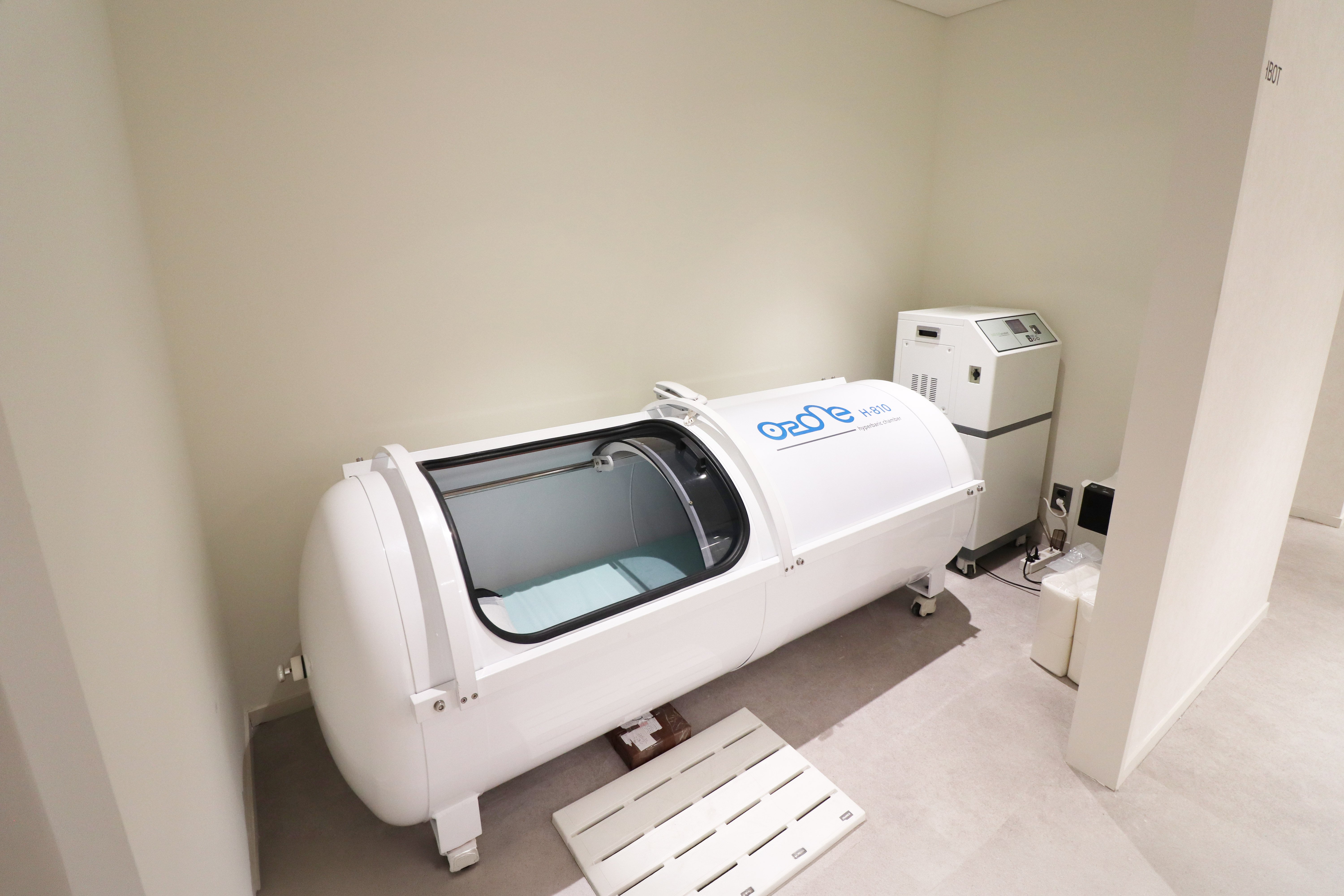
Arranging international patient interpretation services in Seoul
Once you have identified the treatment area you want to discuss, contact Verygood plastic surgery to ask about consultation arrangements. Explain that you are an international patient, name the language you prefer, and ask how interpretation can be arranged. You can also ask what information to send or bring before the appointment. Clarifying communication, scheduling, and follow-up together can help you prepare for a more productive consultation. A procedure recommendation and its costs should be discussed in relation to your individual assessment.
Plan the appointment around your needs
When requesting an appointment, describe your main concern and mention any previous treatment in the same area. If you are considering revision surgery, say so at the outset because your history will be relevant to the discussion. Ask how much time to allow for the consultation, including interpretation if needed. If you are visiting Seoul from abroad, share your intended travel dates and ask how the consultation and any follow-up might fit within your plans. Avoid booking travel around an assumed treatment schedule.
Prepare for the possibility that an initial consultation may lead to further questions rather than an immediate decision. You may want to review the explanation, gather records, or discuss an alternative with the attending doctor. Ask whether written guidance can be provided and how to raise questions after the appointment. If a procedure is proposed, request a clear explanation of the steps involved and the arrangements for postoperative care. It is also useful to ask who will communicate instructions to you and whether an interpreter can assist with those conversations. If your travel plans change, notify our clinic and ask whether the proposed schedule needs to be reviewed. A workable plan takes both medical advice and practical communication needs into account. Leave room in your itinerary for the appointments and recovery guidance discussed with the medical staff.
Build your schedule around the consultation and the medical staff’s advice, rather than assuming a procedure can fit any itinerary. Confirm how you will understand instructions and ask questions throughout your care.
Ask about costs and consent
Costs depend on the proposed treatment and your individual plan. During the consultation, ask for an explanation of the expected charges and what the quoted amount covers. You can also ask whether consultation, interpretation, procedure-related care, and follow-up are included or billed separately. Do not rely on a general procedure name to establish the cost of your care. Make sure you understand the financial details before agreeing to treatment. If an answer is unclear, ask for it to be explained again.
Review the treatment plan and financial information alongside the consent discussion. Ask whether the proposed plan could change after further assessment and how any change would be communicated. If a document contains unfamiliar terms, ask the medical staff to explain them before you sign. An interpreter, if arranged, can help you follow the conversation, but the attending doctor should address the medical questions. It can be useful to keep your questions grouped under treatment, recovery, and payment so that no topic is overlooked. Ask what happens if you decide not to proceed after the consultation, and take the time you need to consider your options. The aim is not simply to collect a quote; it is to understand what care is proposed, what it involves, and how it fits your circumstances.
Keep a follow-up communication plan
Before leaving the consultation or undergoing treatment, ask how to contact our clinic with questions and how language support works for follow-up communication. If you will be outside Seoul during recovery, explain your plans to the medical staff. Ask what information would help them respond to a concern and whether any scheduled review requires an in-person visit. Keep the instructions and contact details in a place you can access easily. If you receive conflicting information, ask for clarification rather than guessing.
After a procedure, follow the instructions given by the medical staff and ask about anything you do not understand. Recovery experiences differ, so avoid treating another person’s timeline as a prediction of your own. If you have a concern, describe when it began and what you have noticed. The medical staff can advise you on the appropriate next step. For urgent or severe symptoms, seek immediate local medical care rather than waiting for a routine reply.
Finally, keep a record of the procedure discussed or performed, the instructions you received, and any follow-up arrangements. This information can help you communicate clearly if you need further care after traveling. Ask the medical staff to explain any unfamiliar terms in your records. A practical communication plan should make it clear what you need to do, whom to contact, and how to seek help if a concern arises.





Frequently Asked Questions
Q.What kind of care does Verygood plastic surgery offer?
A.Verygood plastic surgery offers plastic surgery services including eye surgery, rhinoplasty, breast surgery, facial contouring, facial lifting, and liposuction.
Q.Who might consider a consultation at our clinic?
A.A consultation may be useful for someone who wants to discuss a plastic surgery procedure or a concern about a previous eye or nose operation. The attending doctor can assess the individual’s circumstances and discuss appropriate options.
Q.What nose procedures can I discuss?
A.Our clinic offers rhinoplasty procedures including nasal augmentation, tip plasty, and revision rhinoplasty. The medical staff can discuss the proposed approach and whether cartilage is relevant to your treatment plan.
Q.What should I prepare before a consultation?
A.Prepare questions about your goals and bring information about your medical history, medications, allergies, and previous procedures. Records of earlier surgery can help the medical staff understand your history.
Q.How can I contact or visit Verygood plastic surgery?
A.Our clinic is at 635 Nonhyeon-ro, Gangnam-gu, Seoul, Republic of Korea. Call 02-596-9006 to ask about an appointment and language support.
 Verygood plastic surgery