
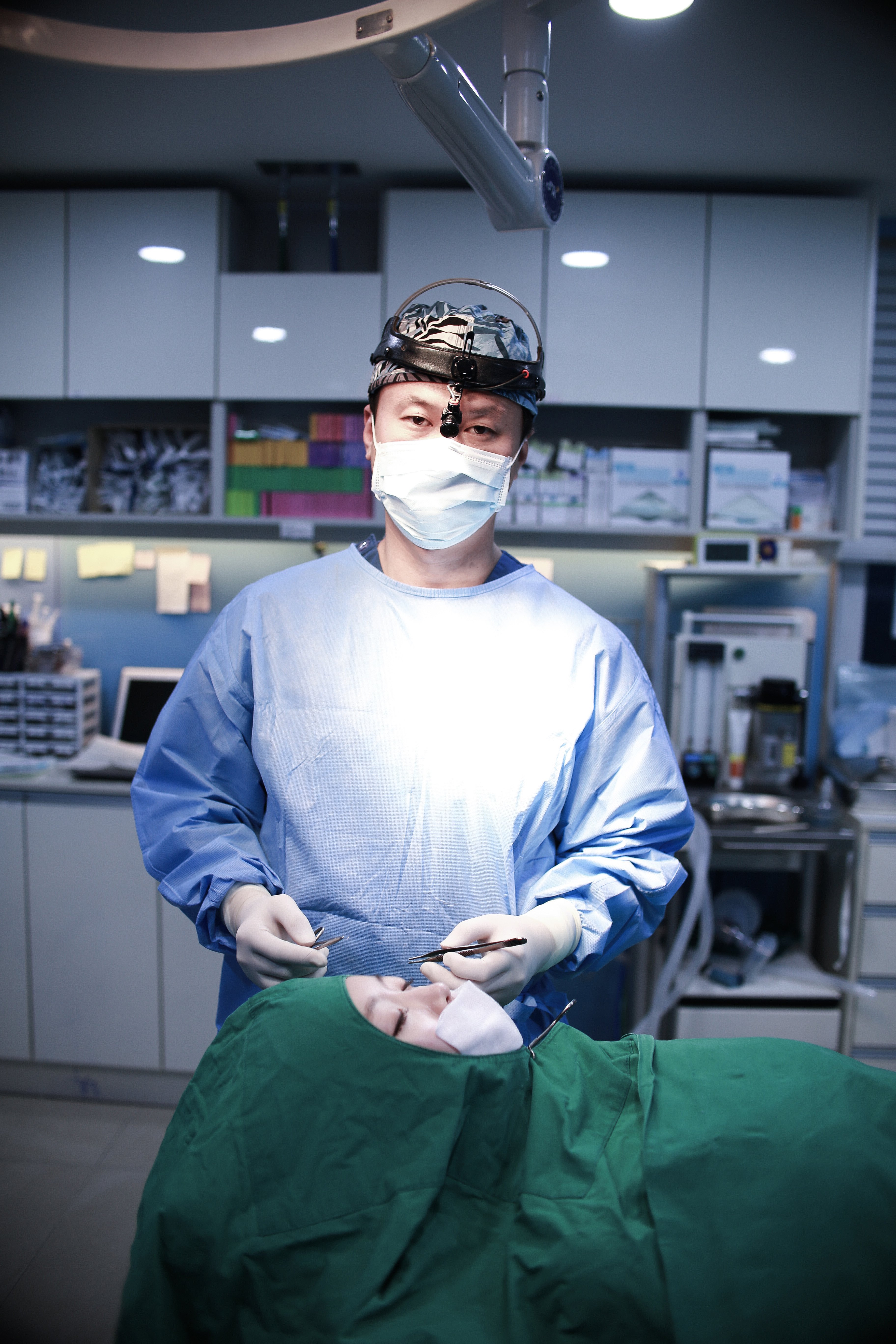
Comparing rhinoplasty clinics with board certified plastic surgeons
Rhinoplasty can address the shape or proportions of the nose through techniques tailored to a person’s anatomy and goals. When comparing clinics, look beyond photographs and procedure names: ask who will perform the operation, what credentials that doctor holds, and how the proposed plan addresses your concerns. Board certification is a credential to verify directly; it should not be assumed from a clinic’s name or advertising. Verygood plastic surgery offers rhinoplasty procedures and consultations where patients can discuss their options with the medical staff.
Why credentials matter
A surgeon’s training and professional credentials provide context for evaluating a proposed operation. Board certification can indicate that a doctor has met the requirements of a relevant certifying body, although those requirements differ by jurisdiction. Ask for the attending doctor’s qualifications and the name of the organization that issued any claimed certification. You can then check that credential through the appropriate organization. This step is particularly useful when comparing providers in different countries, where professional titles and certification systems may not be identical.
Credentials are important, but they are one part of a broader decision. Ask how the doctor approaches the type of rhinoplasty you are considering, how the surgical plan is developed, and what follow-up care is recommended. If you have had a previous nasal operation, explain what was done and what concerns remain. The doctor can use that history when discussing whether revision surgery is appropriate. A useful consultation should also leave room for questions about anesthesia, recovery, and possible complications. Do not assume that a particular certification is held without verifying it.
Certification is worth checking, but it does not replace a discussion of the individual surgical plan. The most useful comparison considers credentials alongside the procedure, risks, and follow-up care.
What to discuss during a consultation
Begin by describing the feature that concerns you, rather than requesting a technique solely because you have seen its name online. You might wish to discuss the nasal bridge, tip, nostrils, or changes after a previous operation. The attending doctor can explain which approaches are relevant to your anatomy and whether your expectations are realistic. If you also have breathing concerns, mention them during the consultation so the doctor can address whether further assessment is needed.
Ask the doctor to explain the proposed changes in plain language. For example, a plan may involve modifying the tip, changing the bridge, or reshaping nasal bones. Request an explanation of the materials being considered and why the doctor recommends them for your case. It is also reasonable to ask what the procedure cannot accomplish and whether additional treatment might be needed. Bring a list of medications, allergies, previous operations, and relevant medical conditions. These details help the medical staff assess your situation and explain any preparation instructions.
Reading before-and-after photographs
Before-and-after photographs can help you understand the kinds of changes a procedure may produce, but they cannot predict your own result. Look for images that show similar views and ask what procedures were performed. A photograph may reflect more than one intervention, and lighting, angles, and the stage of healing can affect appearance. The attending doctor can explain how your anatomy and treatment plan differ from the examples you have seen.
Use photographs as a starting point for conversation rather than a target to copy. Describe the features you like and ask whether a similar direction is compatible with your facial proportions and medical history. Results depend on individual anatomy, the procedure performed, and healing. Changes may take time depending on your condition, so ask the medical staff how the nose is expected to change during recovery.
When comparing clinics, consider whether the explanation is clear and whether your questions receive direct answers. A well-informed decision includes an understanding of the proposed procedure, the qualifications of the attending doctor, and the practical responsibilities involved in recovery. Take time to review the information before deciding whether to proceed.
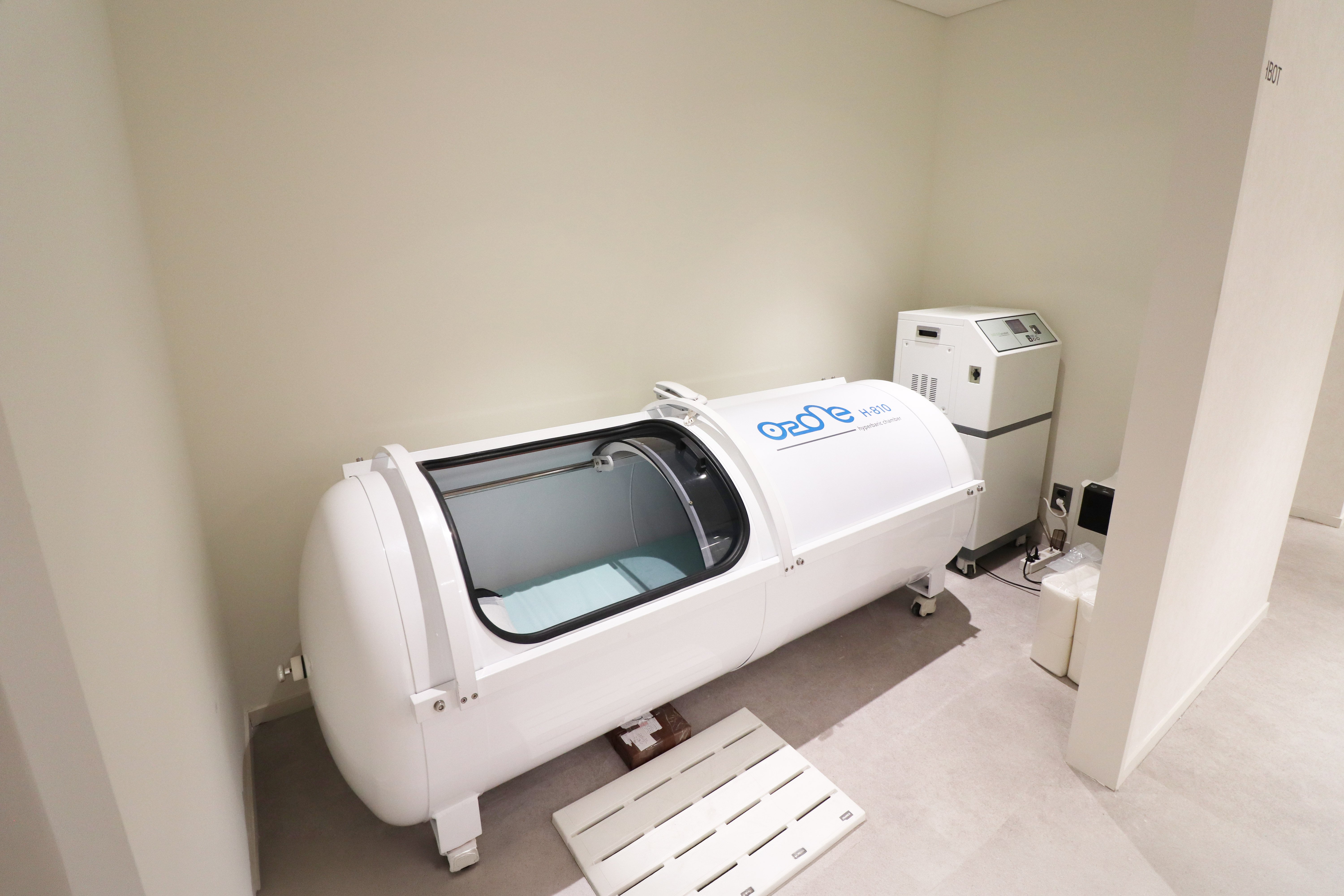
Procedures at rhinoplasty clinics with board certified plastic surgeons
Rhinoplasty is not a single operation. A plan may focus on the tip, bridge, nasal bones, nostrils, or a combination of features. Verygood plastic surgery offers procedures including tip plasty, augmentation rhinoplasty, osteotomy, alar reduction, and revision rhinoplasty. The appropriate approach depends on the patient’s anatomy, concerns, and surgical history. Ask the attending doctor to explain the purpose of each proposed technique and how it contributes to the overall plan.
Bridge, tip, and nasal bone procedures
Tip plasty focuses on the nasal tip, while augmentation rhinoplasty is used to add support or height to the nose. These approaches may be discussed together when both the bridge and tip are part of the patient’s concern. An osteotomy involves reshaping or repositioning nasal bone and may be included in some plans. The doctor should explain which structures would be treated and why, rather than presenting a procedure name as a complete description of the operation.
Patients may ask about treatment for a prominent nasal hump, a bulbous tip, or a deviated appearance. The examination helps the attending doctor assess the features involved and discuss suitable techniques. For example, a proposed plan might combine augmentation and tip plasty, or include an osteotomy where the nasal bones are relevant to the intended change. These combinations are not interchangeable: each has a different purpose and should be explained in relation to the individual patient. Ask how the proposed changes will affect the nose from the front, side, and below, and discuss any concerns about breathing as well as appearance.
Procedure names describe techniques, not a standard plan for every patient. Ask how each proposed step relates to your anatomy and the change you want to discuss.
Cartilage and revision rhinoplasty
Verygood plastic surgery offers rhinoplasty using rib cartilage and revision rhinoplasty. Revision procedures are considered after an earlier nasal operation and require discussion of the original surgery, current concerns, and available options. The clinic’s procedures include revision rhinoplasty using a patient’s own rib cartilage or donated rib cartilage. The attending doctor can explain whether either material is relevant to your case and what the choice would involve.
If you are seeking revision surgery, bring any records or details you have about the previous operation, including the techniques and materials used. Explain whether your concern relates to shape, support, breathing, or another change. Prior surgery can affect the tissue and the options available, so the treatment plan needs an individual assessment. Ask about the reasons for the recommended material, the areas to be treated, and the expected recovery process. The doctor should also explain the limitations and risks of another operation. A revision plan should address the specific concern rather than simply repeat the previous procedure.
Matching the procedure to your concerns
Some patients ask about alar reduction, which addresses the nostril area, while others are interested in rhinoplasty for men or in correcting a deviated appearance. Verygood plastic surgery offers these areas of care alongside bridge and tip procedures. A consultation is the place to discuss whether a particular technique fits your goals. The name of a procedure alone does not establish that it is necessary or appropriate.
The following overview can help you prepare questions for the attending doctor. It describes the focus of procedures offered at Verygood plastic surgery, not a recommendation for any individual patient.
| Procedure | Area or purpose to discuss |
|---|---|
| Tip plasty | Changes to the nasal tip |
| Augmentation rhinoplasty | Adding height or support to the nose |
| Osteotomy | Reshaping or repositioning nasal bone |
| Alar reduction | Changes to the nostril area |
| Revision rhinoplasty | Addressing concerns after previous nasal surgery |
Ask whether the proposed operation involves one technique or a combination, and what each step is intended to achieve. If cartilage is recommended, discuss its source and the reasons for choosing it. If you have a previous surgical history or breathing concerns, raise those points before agreeing to a plan. The consultation should connect your concerns to the examination and the recommended treatment.
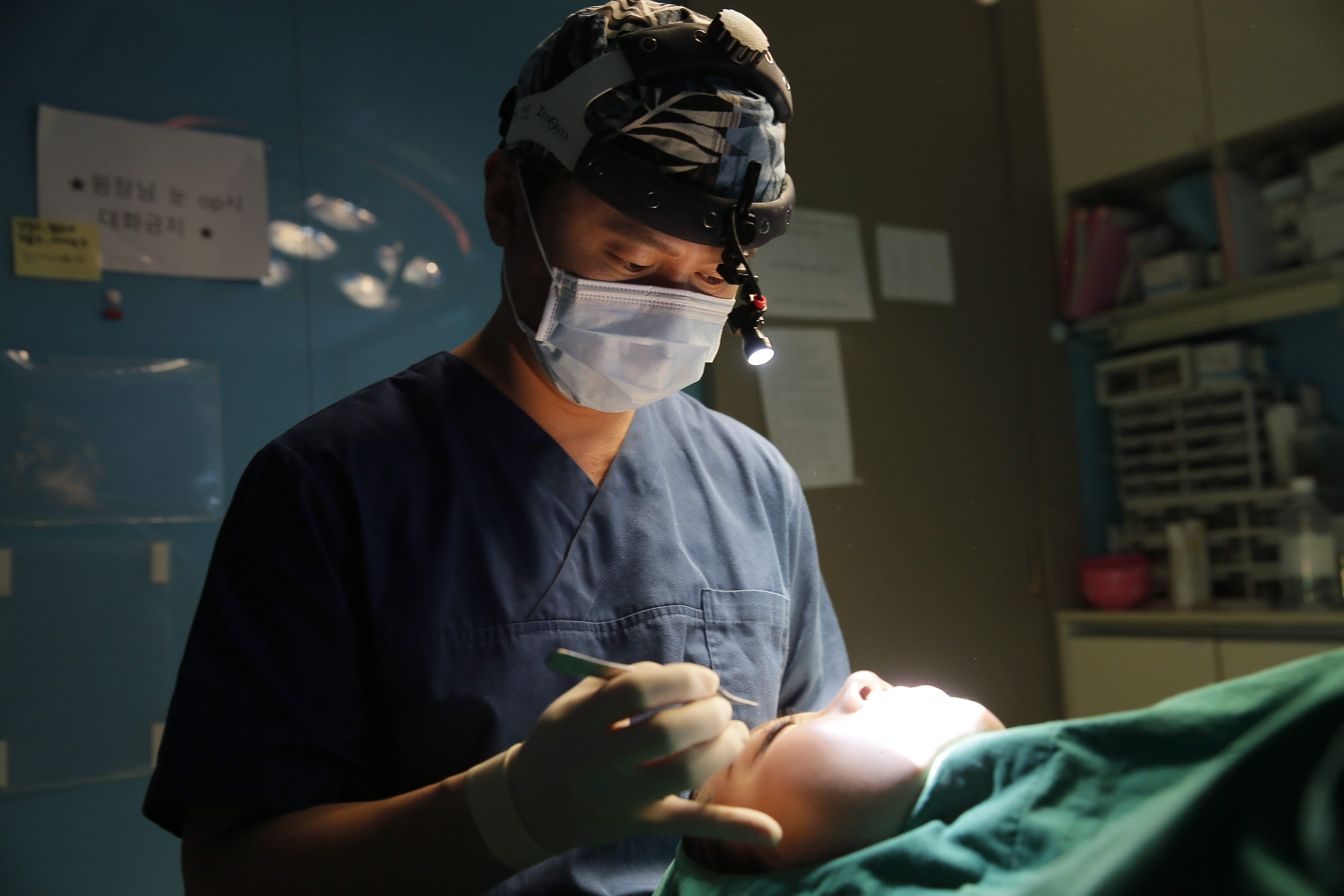
Planning care at rhinoplasty clinics with board certified plastic surgeons
A considered decision includes preparation and recovery as well as the operation itself. Before treatment, discuss your health history, medications, anesthesia, potential complications, and the expected follow-up schedule with the medical staff. Ask for an explanation of the full cost and what it covers. Confirming these details in advance helps you understand the plan and make practical arrangements for your recovery.
Preparing for your appointment
Write down your main concerns and questions before your consultation. Include any previous nasal procedures, injuries, breathing difficulties, allergies, and current medications or supplements. If you have records from an earlier operation, bring them if available. These details give the attending doctor a clearer picture of your circumstances and provide a starting point for discussing whether surgery is appropriate.
You can also prepare questions about the doctor’s credentials, the proposed techniques, and the reasons for recommending them. Ask who will perform the operation and how the medical staff will monitor your recovery. If reference photographs help you communicate your preferences, bring them with the understanding that another person’s result is not a prediction of your own. Before leaving, make sure you understand the next steps, including any instructions about medication or health assessments. Follow instructions from the attending doctor rather than changing prescribed medication on your own.
Good preparation begins with an accurate medical history and clear questions. Make sure you understand the proposed procedure, its risks, and the instructions you will need to follow.
Points to consider before treatment
Every operation carries risks, and rhinoplasty requires an individual discussion of potential complications. Ask the attending doctor about risks associated with the proposed techniques, anesthesia, and any material used. Discuss how concerns would be assessed during recovery and when you should contact the medical staff. The doctor can also explain the possibility that further treatment may be considered if a concern remains.
Recovery differs from person to person. Ask what to expect from swelling and healing, when follow-up visits are recommended, and when you can return to work, exercise, and other usual activities. The medical staff can provide instructions suited to the procedure and your condition. Changes in appearance may take time, so discuss the expected course of healing rather than judging the result immediately. If you experience symptoms that concern you after surgery, contact the medical staff; seek urgent medical attention for severe or rapidly worsening symptoms.
Costs and practical arrangements
The cost of rhinoplasty depends on the treatment plan. Ask for a written explanation of the quoted fee and whether it includes anesthesia, materials, follow-up visits, and any other anticipated charges. If revision surgery or rib cartilage is being considered, ask how those choices affect the quote. This makes it easier to compare the scope of care, not just the figure presented.
Plan for time away from obligations according to the attending doctor’s advice. Ask whether you will need someone to accompany you after the procedure and what arrangements are recommended for getting home. Keep the clinic’s contact details accessible during recovery, and make sure you understand how to reach the medical staff with questions.
Verygood plastic surgery is located at 635 Nonhyeon-ro, Gangnam-gu, Seoul, Republic of Korea. For consultation and booking inquiries, call 02-596-9006. Before arranging a visit, prepare a brief description of your concerns and mention any previous nasal surgery so that you can discuss the relevant history during your appointment.




Frequently Asked Questions
Q.What does Verygood plastic surgery offer for rhinoplasty?
A.Verygood plastic surgery offers rhinoplasty procedures including tip plasty, augmentation rhinoplasty, alar reduction, and revision rhinoplasty.
Q.Who might consider a rhinoplasty consultation?
A.A consultation may be useful for someone concerned about the shape of the nasal bridge, tip, or nostrils, or about changes after a previous nasal operation. Breathing concerns should also be raised with the attending doctor.
Q.Does Verygood plastic surgery offer revision rhinoplasty using rib cartilage?
A.Yes. Verygood plastic surgery offers revision rhinoplasty using a patient’s own rib cartilage or donated rib cartilage.
Q.What should I prepare before a consultation?
A.Bring a list of your medications, allergies, medical conditions, and previous nasal procedures. Records from an earlier operation can help you discuss your history with the attending doctor.
Q.How can I contact Verygood plastic surgery?
A.Call 02-596-9006 for consultation and booking inquiries. Verygood plastic surgery is at 635 Nonhyeon-ro, Gangnam-gu, Seoul, Republic of Korea.
 Verygood plastic surgery