
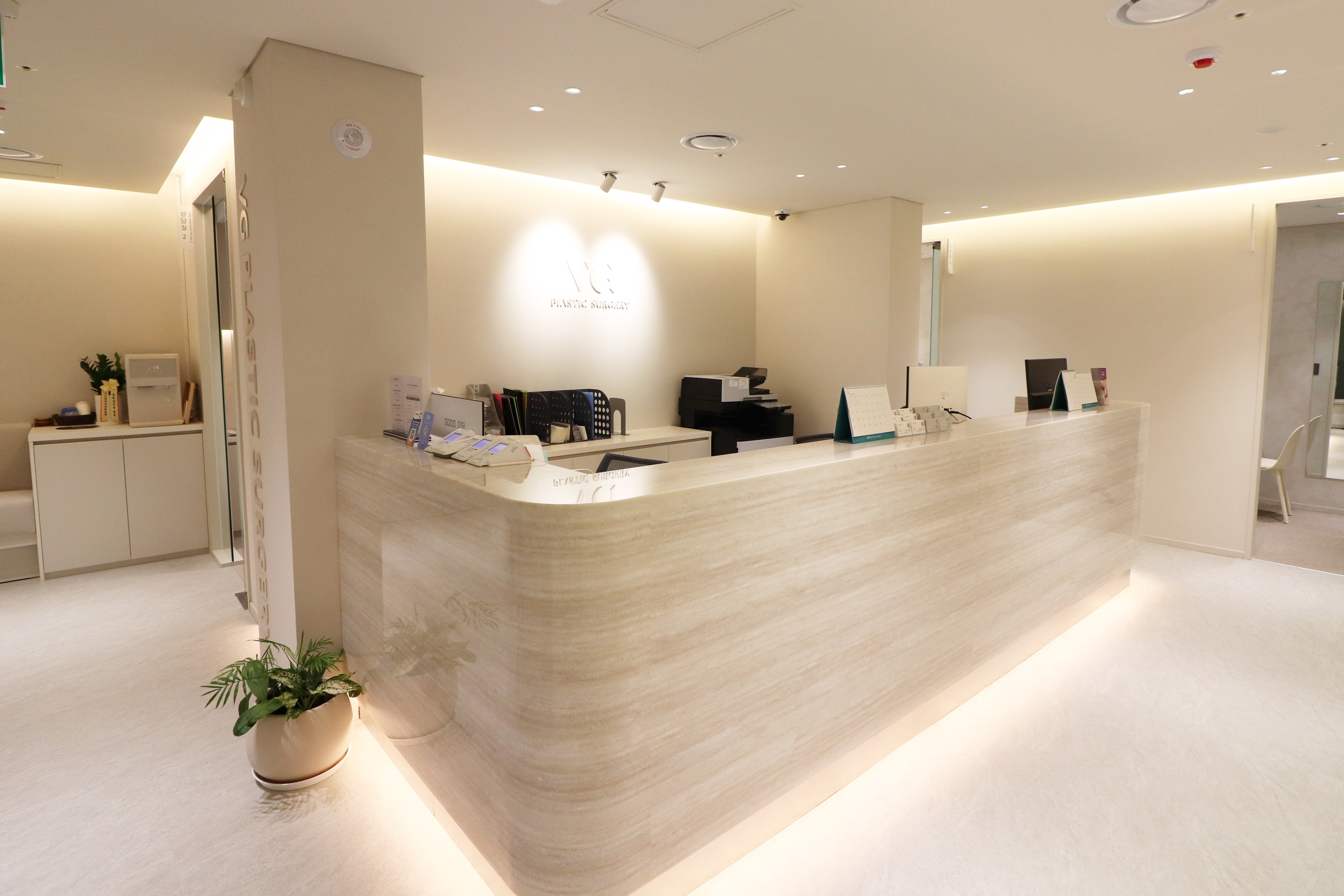
How to evaluate leading deep plane facelift clinics in Gangnam
A deep plane facelift is a surgical approach that works beneath a layer of facial tissue known as the superficial muscular aponeurotic system, or SMAS. It is intended to reposition facial tissues rather than simply tighten the skin. When comparing clinics, focus on the proposed treatment plan, the attending doctor’s explanation of the technique, and the information available about recovery and risks. A clinic’s suitability depends on its assessment of your individual concerns, not on a technique’s name alone.
Understand what the procedure addresses
Facelift surgery generally focuses on changes in the lower face and neck, such as tissue descent and loss of definition along the jawline. The exact areas treated depend on the examination and the surgical plan. A deep plane approach involves releasing and repositioning tissue in a deeper surgical plane, but the details of the operation can differ between patients and surgeons. Ask which areas the proposed procedure is intended to address and which concerns may need a different approach.
It is also useful to distinguish tissue repositioning from treatments that primarily address skin texture, volume, or the forehead. A facelift does not necessarily resolve every visible sign of facial aging. For example, changes around the eyes or forehead may require a separate assessment, while fine skin changes may not be the main target of surgery. A clear consultation should connect each concern to a specific part of the proposed plan. Before your appointment, note what bothers you, when you first noticed it, and whether your concern is most visible from the front or the side. This helps the attending doctor understand your priorities and explain what surgery can reasonably address. It also gives you a basis for comparing recommendations without assuming that every procedure with a facelift label works in the same way.
A useful comparison begins with the treatment plan, not the procedure name. Ask how the proposed approach relates to the areas you want to address and what it cannot be expected to change.
Confirm the technique and scope
Verygood plastic surgery offers face lifting as part of its facial rejuvenation services. During a consultation, ask whether a deep plane facelift is available and whether the attending doctor considers it appropriate for you. If another approach is recommended, ask how it differs in tissue handling, intended treatment area, and recovery. The name of a clinic’s face lifting service does not by itself establish which surgical technique will be used.
Request a plain-language explanation of where incisions would be placed, which tissues would be repositioned, and whether the neck is included in the plan. It is also reasonable to ask who would perform the procedure and how the medical staff evaluate suitability. Bring up previous facial procedures, relevant medical conditions, medications, and any concerns about scarring or anesthesia. These details can influence the discussion, although their significance must be assessed individually. If you are considering more than one treatment, ask whether the procedures would be performed together or separately and why. Take time to review the proposed plan rather than assuming that a more extensive operation is necessarily a better fit. The goal is to understand the recommendation well enough to make an informed decision.
Compare the consultation, not just the label
A productive consultation gives you an opportunity to explain your priorities and ask direct questions. The attending doctor should be able to describe the intended treatment area, discuss alternatives, and explain relevant risks and recovery considerations. Ask how your medical history and previous treatments affect the proposed approach. If a term is unfamiliar, request an explanation in everyday language before deciding whether to proceed.
When comparing plans, pay attention to whether each recommendation addresses the same concerns. One plan may focus on the lower face, while another may include additional areas or procedures. Those differences matter when considering the scope of treatment, recovery, and cost. Ask for a written outline of the proposed procedure and associated charges so that you can review the details carefully.
| Consultation topic | Question to ask |
|---|---|
| Technique | What surgical approach is proposed, and why? |
| Treatment area | Which facial areas are included in the plan? |
| Alternatives | Are other approaches appropriate for my concerns? |
| Recovery | What care and activity restrictions should I expect? |
| Cost | What is included in the quoted fee? |
Before making a decision, consider whether you have received clear answers to the questions that matter to you. A written plan can make it easier to compare the scope of care and revisit details after the appointment. If you feel uncertain about a recommendation, ask for clarification. The most useful plan is one you understand, including its intended benefits, limitations, and follow-up requirements.
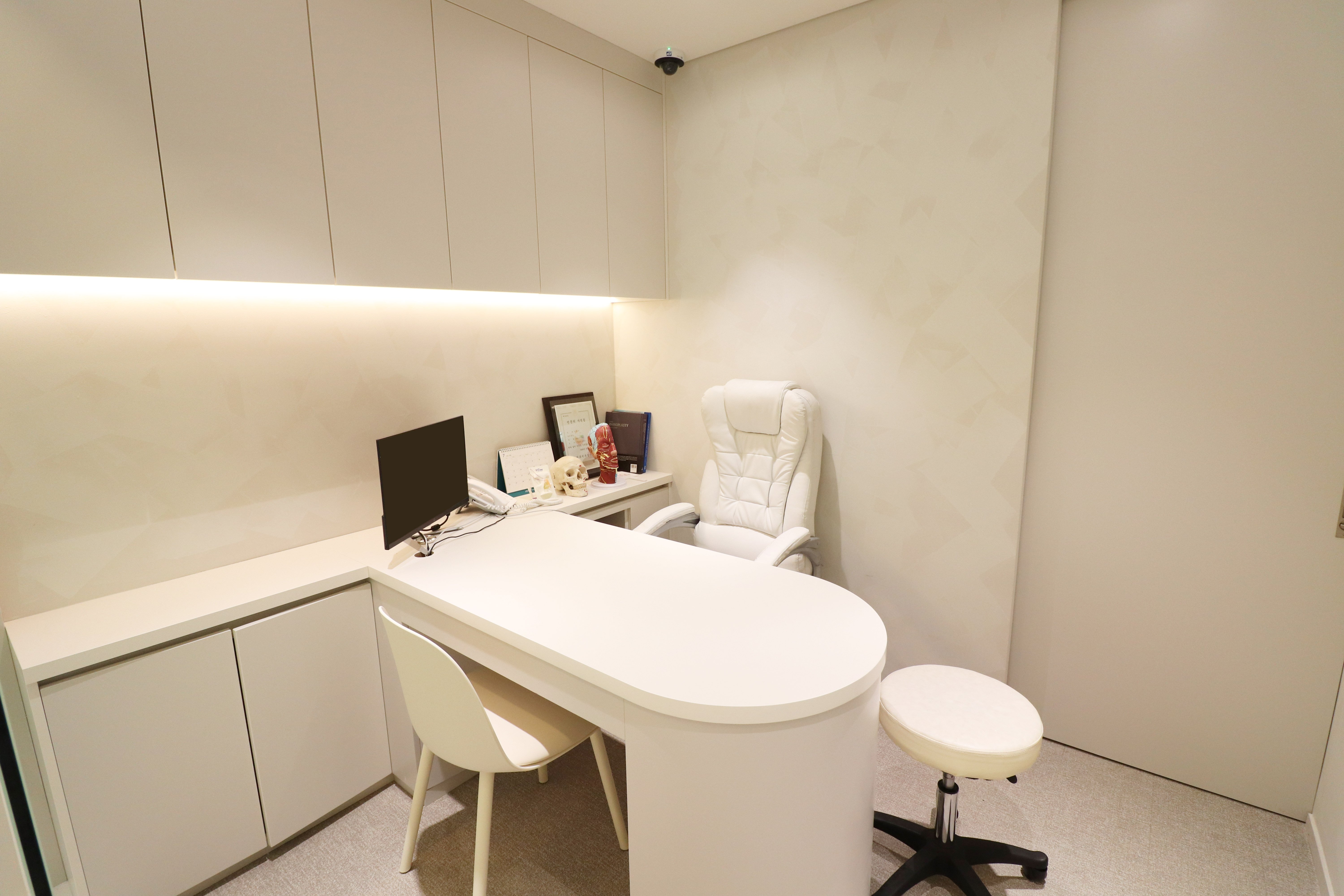
Treatment options at leading deep plane facelift clinics in Gangnam
Facial rejuvenation is not a single procedure. Treatment choices depend on the location of the concern, the degree of tissue change, medical history, and personal preferences. Verygood plastic surgery offers face lifting alongside other facial rejuvenation procedures, including endoscopic forehead lifting and thread lifting. These procedures address different concerns and should not be assumed to be interchangeable. A consultation can help establish which option, if any, fits your goals.
Face lifting and related procedures
Face lifting is generally considered when a person wants to discuss changes in facial contours associated with tissue descent. The surgical approach and the areas treated depend on the individual plan. At Verygood plastic surgery, face lifting is listed among the available facial rejuvenation procedures. Ask the attending doctor to explain the proposed technique, its intended treatment area, and how it compares with other options relevant to your concerns.
Other procedures may focus on a different part of the face or use a different treatment method. Verygood plastic surgery also offers endoscopic forehead lifting and thread lifting. An endoscopic forehead lift is a surgical approach focused on the forehead region, while thread lifting uses threads rather than the same surgical approach as a facelift. These differences make the initial assessment important: a concern near the brows, for example, should be discussed in terms of that area rather than assumed to require a lower-face procedure. The clinic also offers procedures for the eye area and facial fat grafting. If more than one area concerns you, ask which procedure is intended to address each one and whether a combined plan is appropriate. The attending doctor can discuss the scope of each recommendation with you.
Different facial rejuvenation procedures have different treatment areas and methods. The right discussion starts with your specific concerns and an explanation of how each proposed procedure addresses them.
Questions about alternatives
If the attending doctor recommends an alternative to a deep plane facelift, ask what makes that option appropriate for your examination findings. Discuss the intended treatment area, the type of procedure, and the anticipated recovery requirements. It is also reasonable to ask whether a recommended option is meant to stand alone or form part of a broader treatment plan. Clear distinctions help you assess the recommendation on its merits.
Verygood plastic surgery offers a range of services beyond face lifting, including facial liposuction, facial fat grafting, and procedures for the eye area. Their inclusion in a consultation should depend on your concerns and the attending doctor’s assessment, not on an assumption that additional procedures are necessary. When discussing any treatment, ask what change it is intended to address and what it will not address. You can also ask whether there are reasons to postpone a decision or consider a different approach. Comparing alternatives is not just about choosing between procedure names; it is about understanding the purpose and scope of each recommendation. If a proposed plan includes multiple treatments, request a separate explanation of each one, including its associated care and charges.
Match the treatment area to your priorities
Before a consultation, identify the areas you most want to discuss. You might be concerned about the lower face, the forehead, or changes around the eyes. Describing the location and character of your concern helps keep the conversation focused. The attending doctor can then explain whether the treatment you had in mind is relevant or whether another assessment would be more useful.
Be specific about your preferences as well as your concerns. For example, tell the medical staff if recovery time or the extent of surgery is an important consideration. Ask how those preferences affect the available choices. The goal is not to select a procedure before an examination, but to arrive prepared to discuss a plan that reflects your needs.
| Service at Verygood plastic surgery | Useful consultation focus |
|---|---|
| Face lifting | Proposed technique and facial areas included |
| Endoscopic forehead lift | Concerns involving the forehead region |
| Thread lifting | How the method differs from surgical lifting |
| Facial fat grafting | Whether a volume-related concern is part of the plan |
These services are different approaches, not a checklist of treatments to combine. Ask the attending doctor to explain why any recommended procedure is relevant to you and whether there are alternatives. If your main question is about a deep plane facelift, establish whether that specific technique is available before comparing the rest of the plan.
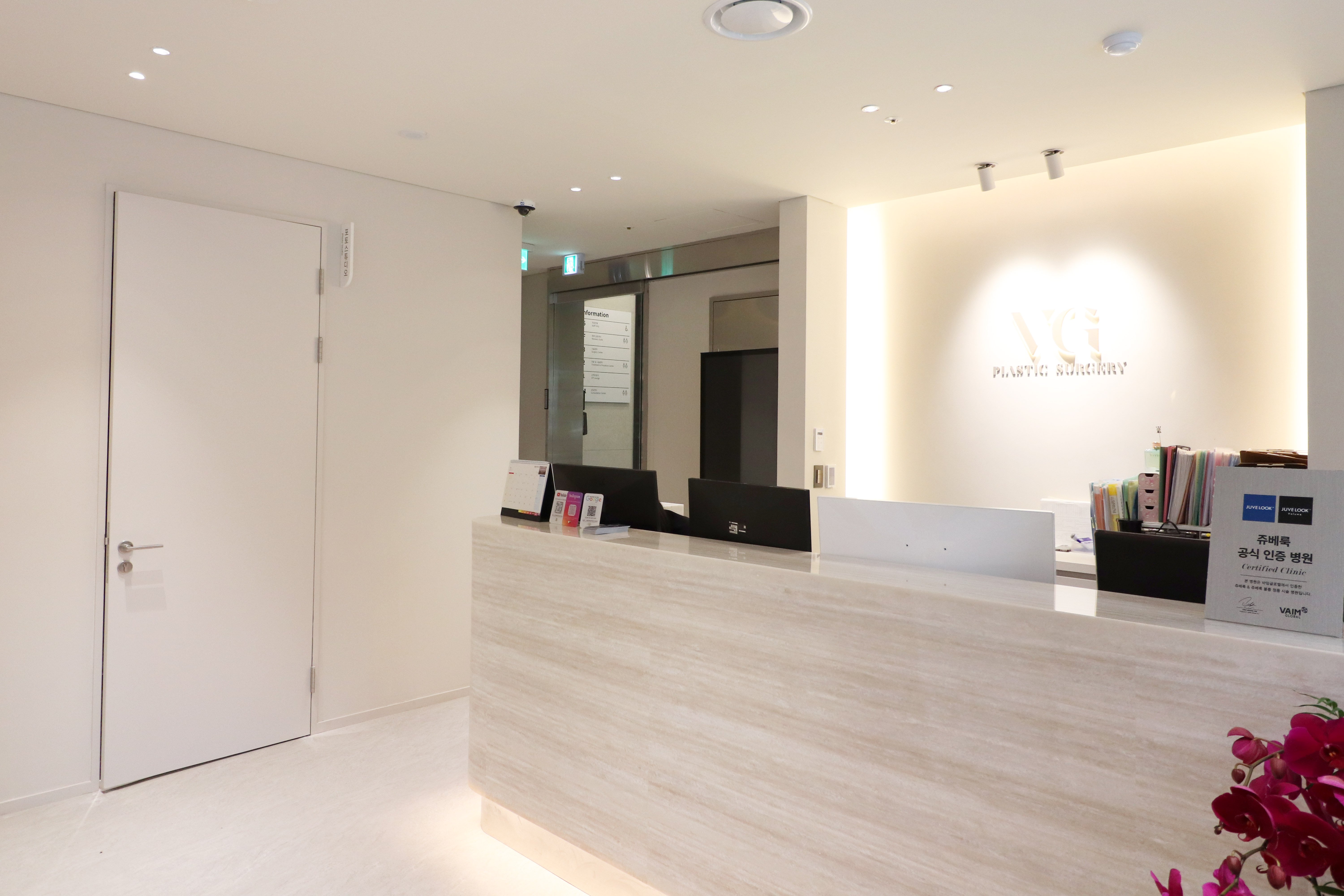
Preparing to visit leading deep plane facelift clinics in Gangnam
Preparation can make a facelift consultation more useful. Bring a list of your concerns, relevant medical history, current medications, and previous facial procedures. Be ready to discuss your expectations and any practical constraints that could affect recovery. The consultation is also an opportunity to understand risks, aftercare, and the full scope of the proposed treatment before making a decision.
Prepare your medical history and questions
Tell the attending doctor about medical conditions, allergies, medications, and supplements, as well as any previous surgery or cosmetic treatment. Do not stop or change prescribed medication without advice from the clinician responsible for it. If you have had facial procedures before, describe what was done and when, as accurately as you can. This information helps the medical staff assess the proposed treatment in context.
Write down your questions before the appointment so that you can refer to them during the discussion. Useful topics include the proposed surgical approach, anesthesia, incision placement, expected recovery, and follow-up care. You can also ask how the clinic’s safety processes apply to your procedure. Verygood plastic surgery describes a plastic surgery safety system as part of its approach; ask the medical staff to explain the relevant arrangements for your individual treatment. If you have concerns about work, travel, or assistance at home, raise them early. The attending doctor can explain which preparations and restrictions apply to the plan being considered. Take notes or ask for written instructions where appropriate, and allow yourself time to consider the information rather than making a rushed decision.
A thorough consultation covers your health history as well as your aesthetic goals. Ask for clear explanations of the procedure, safety arrangements, and aftercare before deciding how to proceed.
Points to consider before treatment
Any surgical procedure involves risks, and a facelift requires an individual assessment. Depending on the procedure and the patient, possible complications can include bleeding, infection, scarring, changes in sensation, or injury to facial nerves. Anesthesia also has risks that should be discussed with the medical staff. Ask how these considerations apply to your health history and what symptoms would require prompt attention after treatment.
Recovery instructions depend on the procedure performed and the individual patient. Ask when you would need follow-up visits, how to care for the surgical area, and when you can resume normal activities. Swelling and bruising can occur after surgery, and changes in appearance may take time depending on individual condition. Discuss any concerns about visible scars and the limits of the proposed procedure. It is equally important to understand what support is available if you have a question during recovery. Before agreeing to treatment, review the consent information and ask the attending doctor to explain anything that is unclear. An informed decision includes understanding both the intended benefits and the possibility that additional care may be needed if a complication occurs.
Discuss costs and practical arrangements
Costs depend on the proposed procedure and what is included in the treatment plan. Ask for an itemized quote and check whether it covers anesthesia, facility charges, medication, and follow-up care. If more than one procedure is recommended, ask how each contributes to the total. Reviewing the scope of a quote is more useful than comparing figures without knowing what they include.
Also discuss the practical arrangements for your visit and recovery. Ask whether you will need someone to accompany you, what time away from usual activities might be appropriate, and how follow-up appointments will be arranged. The medical staff can explain the requirements for the procedure under consideration. Keep these details alongside your written treatment plan so you can review them at your own pace.
| Preparation item | What to bring or discuss |
|---|---|
| Medical history | Conditions, allergies, medications, and supplements |
| Previous procedures | Relevant facial surgery or cosmetic treatment |
| Personal priorities | Areas of concern and recovery considerations |
| Written questions | Technique, risks, aftercare, and charges |
Once you have discussed the plan, review whether it addresses your priorities and whether you understand the proposed care. Ask any remaining questions before committing to surgery. A considered decision should reflect the procedure itself, its limitations, and the practical support you will need during recovery.





Frequently Asked Questions
Q.What services does Verygood plastic surgery offer?
A.Verygood plastic surgery offers plastic surgery services, including face lifting, endoscopic forehead lifting, thread lifting, and facial fat grafting.
Q.Who might consider a face lifting consultation?
A.A consultation may be useful for someone who wants to discuss facial changes or concerns about facial contours. The attending doctor can assess the concerns and explain relevant options.
Q.Can I discuss a deep plane facelift at Verygood plastic surgery?
A.Yes. Ask the medical staff whether a deep plane approach is available and whether it is appropriate for your concerns. Face lifting is among the clinic’s listed services.
Q.What should I prepare for a consultation?
A.Bring a list of your concerns, medications, relevant health conditions, and previous facial procedures. You can also prepare questions about the proposed technique, recovery, risks, and costs.
Q.How can I contact Verygood plastic surgery?
A.Verygood plastic surgery is located at 635 Nonhyeon-ro, Gangnam-gu, Seoul, Republic of Korea. You can call 02-596-9006 to ask about a consultation.
 Verygood plastic surgery