
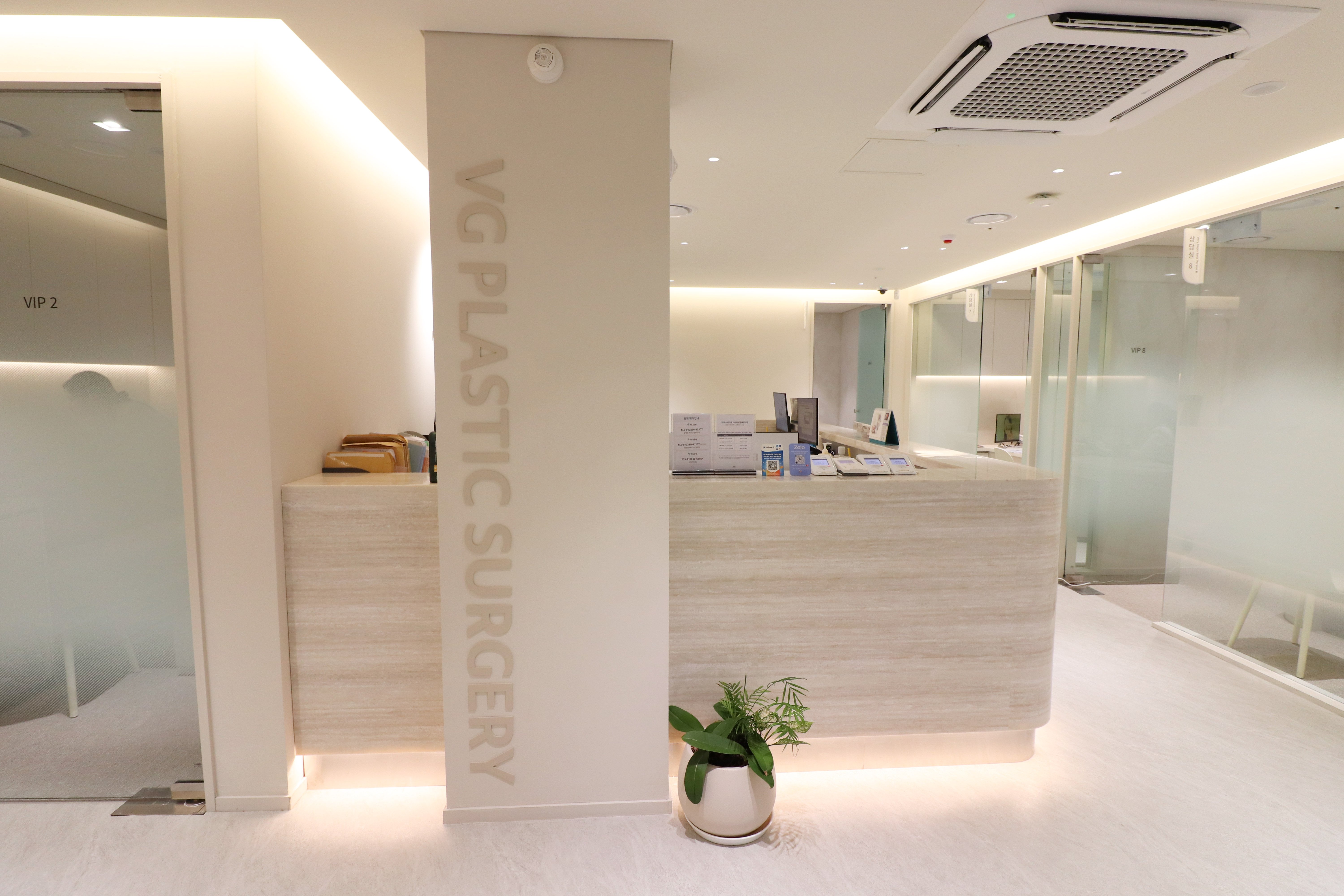
Gangnam Revision Rhinoplasty Clinics: Understanding Your Options
Revision rhinoplasty is nose surgery performed after a previous nasal operation. People may seek a consultation because of concerns about nasal shape, breathing, or both. The appropriate approach depends on the existing anatomy and the nature of the earlier procedure. Another operation is not automatically the right answer: an assessment is needed to determine whether surgery is appropriate and what it could reasonably address. Verygood plastic surgery offers corrective rhinoplasty as part of its nose surgery services.
Why Revision Surgery Requires Careful Planning
A previously operated nose can present different considerations from a nose that has not undergone surgery. Scar tissue, changes to the nasal framework, and the availability of cartilage can influence the discussion. The attending doctor will also need to understand what is bothering you now, rather than relying only on the original reason for surgery. A clear account of previous procedures helps put current concerns in context and gives the consultation a practical starting point.
Before your visit, consider whether your main concern involves the bridge, tip, nostrils, nasal alignment, or breathing. More than one area can be involved, but separating your concerns makes them easier to discuss. If you have records from an earlier operation, bring them along; an operative report can contain useful details about the techniques and materials used. Photographs from before and after previous surgery can also help explain the changes you have noticed. Describe both what you would like to change and what you would prefer to preserve. These details can guide a conversation about the scope of treatment without assuming that every requested change is achievable.
Revision planning begins with understanding the nose as it is now and what happened during previous surgery. The most useful consultation connects your priorities with an assessment of the available options and their limits.
Shape, Structure, and Breathing
The nose has an aesthetic role and an important function in breathing. A change that concerns you may involve the bridge or tip, while a breathing concern deserves its own discussion. Verygood plastic surgery offers procedures for the nasal tip, a nasal hump, and a deviated nose. Whether any of these techniques is relevant to a revision case depends on the examination and your surgical history.
Be specific when describing breathing difficulties. For example, explain whether congestion affects one side or both, whether it is constant, and whether it began before or after an earlier operation. Breathing symptoms can have different causes, so a change in appearance should not be assumed to explain them. Likewise, an operation intended to change nasal shape should not be assumed to resolve breathing problems. Ask the attending doctor how your symptoms will be assessed and whether another evaluation is appropriate. A treatment discussion should distinguish between cosmetic goals and functional concerns, even when both are present.
Procedures That May Be Discussed
Revision surgery is not a single standardized operation. Depending on the concern, a discussion may include work on the nasal tip, bridge, bone, or cartilage. Verygood plastic surgery offers tip plasty, osteotomy, augmentation rhinoplasty, alar reduction, and corrective rhinoplasty. These procedure names describe different kinds of nasal work; their inclusion in a consultation does not mean that each is suitable for every patient.
It can help to ask what a proposed procedure is intended to change and how it relates to your priorities. For instance, tip plasty concerns the nasal tip, while an osteotomy involves the nasal bones. Alar reduction addresses the outer nostril area. If a combination is proposed, ask why each part is recommended and how the procedures fit together. The following overview provides a starting point for that conversation.
| Procedure | Area or purpose |
|---|---|
| Tip plasty | Reshaping the nasal tip |
| Osteotomy | Surgical work involving the nasal bones |
| Augmentation rhinoplasty | Adding height or support to the nose |
| Alar reduction | Reducing tissue in the outer nostril area |
| Revision rhinoplasty | Addressing concerns after previous nose surgery |
These descriptions are general, not a recommendation for a particular procedure. Ask the attending doctor which parts of your nose need attention and whether a proposed change would affect neighboring structures. It is also reasonable to ask what can be assessed before surgery and what decisions might depend on findings during the operation. Understanding those distinctions can make a treatment plan easier to evaluate.
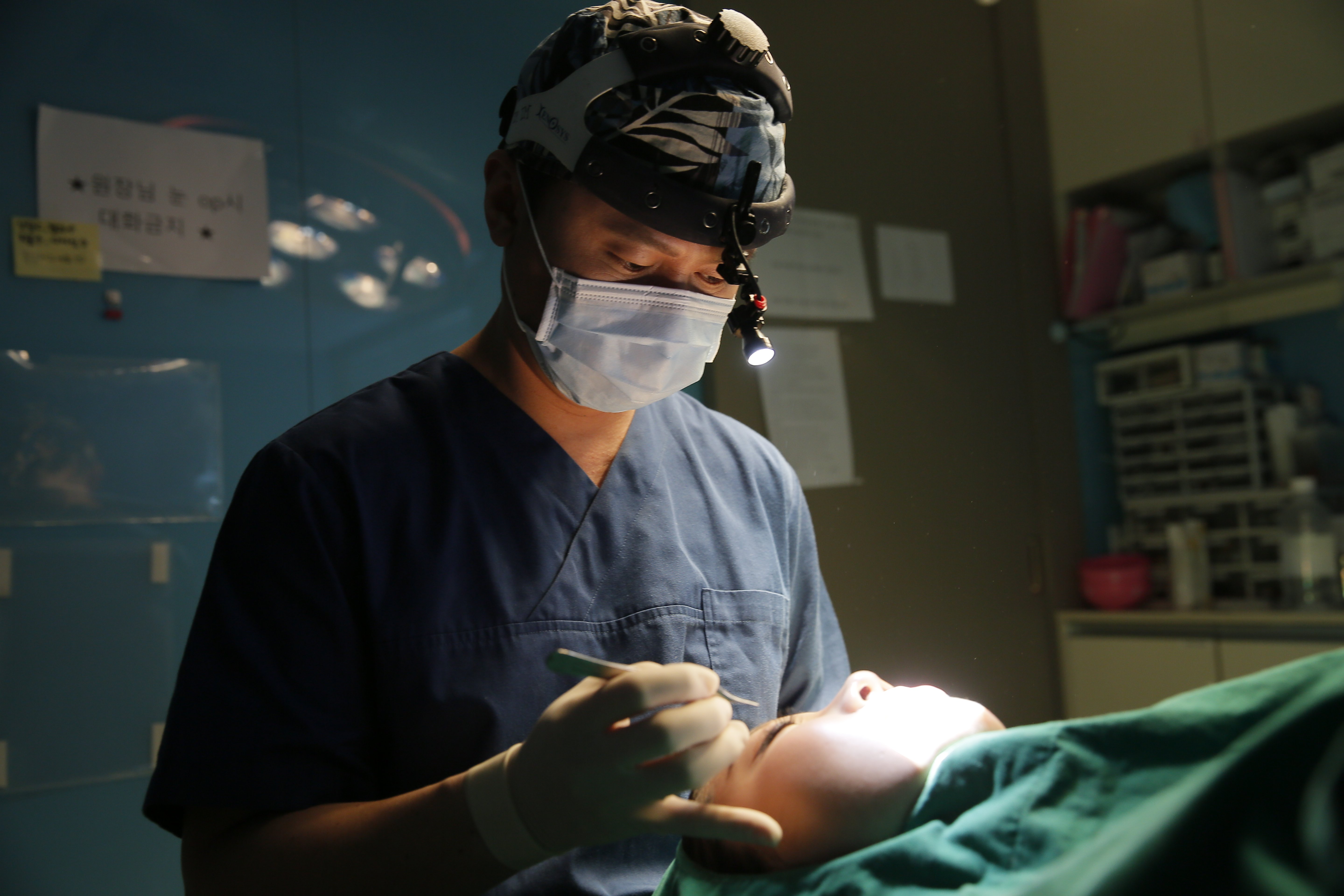
Gangnam Revision Rhinoplasty Clinics: Cartilage and Consultation
Cartilage can be part of a revision plan when the nose needs structural support or reshaping. Verygood plastic surgery offers revision rhinoplasty using a patient’s own rib cartilage and revision rhinoplasty using donated rib cartilage. The choice of material should be discussed in relation to your anatomy, previous surgery, and treatment goals. A consultation is the place to ask why a material is recommended and what it would be used to do.
Using Your Own Rib Cartilage
Rib cartilage taken from the patient’s own body can provide material for nasal reconstruction or support. Because obtaining it involves a separate donor area, the discussion should cover both the nose and the area where cartilage would be taken. Ask how the proposed approach relates to the changes you want and what recovery considerations apply to each surgical area. The attending doctor can explain whether this option is appropriate for your case.
When considering your own rib cartilage, ask about the intended purpose of the graft rather than focusing on the material alone. It may be proposed for a particular structural need, but the details depend on the examination. You can also ask how the donor site will be cared for, what type of scar to expect, and which activities may need to be limited during recovery. As with any operation, discuss potential complications and the possibility that healing or the final appearance may differ from expectations. A balanced explanation should cover the proposed benefit, the additional surgical site, and any relevant alternatives.
Cartilage selection is a clinical decision, not a simple comparison of labels. Ask what the material is expected to contribute and what the choice means for surgery and recovery.
Discussing Donated Rib Cartilage
Donated rib cartilage is another option offered for revision rhinoplasty at Verygood plastic surgery. Unlike a patient’s own rib cartilage, it does not require cartilage to be taken from that patient’s rib area. Whether it is an appropriate choice depends on the planned reconstruction and individual circumstances. Ask the attending doctor how it would be used and how it compares with your own tissue for the specific change being considered.
Questions about donated material can include how it is prepared, where it would be placed, and what follow-up is recommended. You can also ask about the risks associated with the proposed material and how the medical staff would respond if a concern arose during healing. Avoid assuming that either donated or self-donated cartilage is universally preferable: the relevant comparison is how each option fits your individual treatment plan. If the explanation is unfamiliar, ask the attending doctor to show you which area of the nose would receive support and to describe the intended change in plain language. Take time to consider the explanation before deciding whether to proceed.
Making the Consultation Productive
A useful consultation begins with a concise history. Bring the dates of previous nasal procedures if you know them, along with available records, medication details, and any relevant medical history. Tell the medical staff about allergies, breathing concerns, and any difficulties with earlier surgery or anesthesia. If you have photographs that illustrate a concern, explain what you notice rather than presenting them as a required outcome.
Prepare questions about the proposed technique, anesthesia, recovery, follow-up, and alternatives. Ask which concerns the operation is intended to address and which may remain. It is also worth discussing whether waiting, further assessment, or no surgery is reasonable in your circumstances. A clear explanation of uncertainty is part of an informed decision. You do not need to settle every question immediately; understanding the plan is more important than rushing a choice.
Cost is another practical topic. Request an individualized estimate and ask what it covers, including the proposed procedure, anesthesia, and follow-up. If additional treatment becomes necessary, ask how that would be handled. Review the information alongside the medical explanation so that financial details do not substitute for understanding the operation itself.
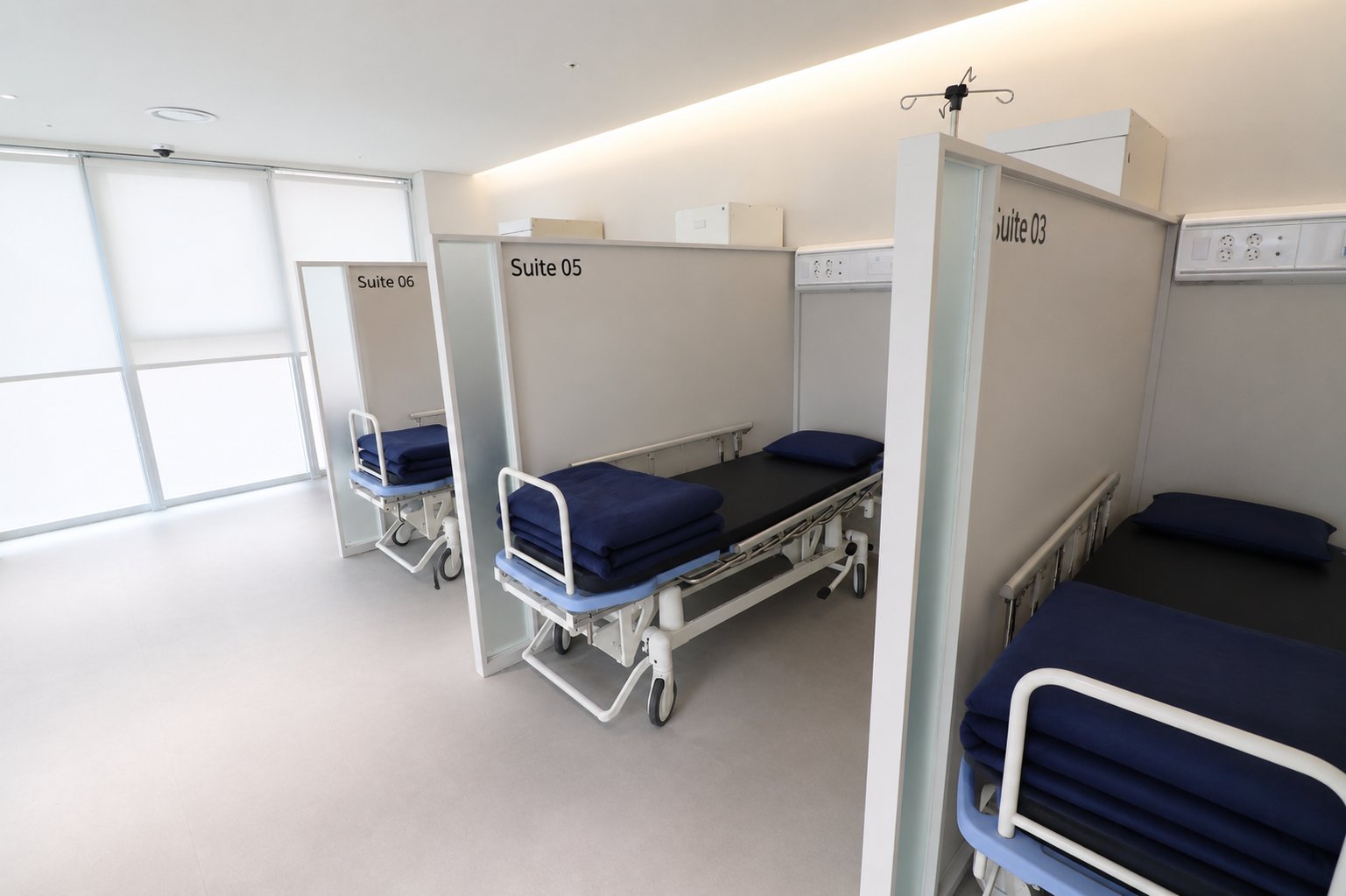
Gangnam Revision Rhinoplasty Clinics: Recovery and Decision-Making
Recovery after revision rhinoplasty depends on the procedures performed and the individual’s health and healing. Swelling and bruising are common after nose surgery, and changes in appearance may take time as tissues settle. Verygood plastic surgery describes a Safe Plastic Surgery System as a feature of its approach. Ask the medical staff how your care will be planned and what instructions apply to your particular procedure.
Preparing for Recovery
Before surgery, discuss how much time to allow for rest and when you can return to work, exercise, and other activities. The answer depends on the proposed operation and the demands of your routine. Follow the attending doctor’s instructions about medicines, eating and drinking before anesthesia, and care after surgery. If rib cartilage is to be taken from your own body, ask for instructions covering the donor area as well as the nose.
Make practical arrangements in advance. Depending on the anesthesia and discharge instructions, you may need someone to accompany you home and help during the early recovery period. Keep the clinic’s postoperative instructions accessible, and ask whom to contact if you are uncertain about a symptom or dressing. It is also sensible to plan around work and personal commitments rather than assuming you will feel ready to resume everything immediately. Recovery guidance should be tailored to the operation actually performed, so confirm your activity restrictions with the attending doctor. If a follow-up visit is recommended, make sure you understand its purpose and timing.
Plan for recovery as carefully as you plan for surgery. Knowing how to care for both the nose and any donor area can make the postoperative instructions easier to follow.
Points to Consider Before Treatment
All surgery involves risk, and revision rhinoplasty can carry uncertainties related to previous operations and individual healing. Potential concerns can include bleeding, infection, scarring, changes in sensation, breathing problems, or an appearance that does not meet expectations. The risks relevant to you depend on your health and the proposed technique. Ask the attending doctor to explain them in the context of your case, including how complications would be assessed and managed.
It is also important to discuss what another operation can and cannot reasonably change. Scar tissue and existing anatomy may limit the extent of a correction, and no surgeon can promise a particular appearance or outcome. Ask whether the expected changes are likely to address your main concern and whether any trade-offs are involved. If breathing is part of your concern, ask how it will be evaluated rather than assuming that a cosmetic revision will resolve it. Seek urgent medical attention for severe breathing difficulty, uncontrolled bleeding, or other symptoms that require immediate care. For less urgent postoperative questions, follow the contact instructions given by the medical staff.
Choosing Whether to Proceed
A well-considered decision rests on your understanding of the proposed operation, not just a procedure name or a photograph. Review the assessment, the reason for each recommended technique, the material proposed, and the expected recovery. Ask about alternatives and what could happen if you choose not to have surgery. If any part of the plan remains unclear, request an explanation before providing consent.
Verygood plastic surgery offers nose surgery alongside other plastic surgery services, including eye surgery and facial contouring. For someone considering corrective rhinoplasty, the relevant question is how the proposed nasal procedure addresses the individual concern. Bring the discussion back to your priorities, medical history, and the practical demands of recovery. A decision to wait or seek further clarification can be as considered as a decision to proceed.
Before booking, write down your remaining questions and identify the information you need to make a decision. This might include details about cartilage, the areas to be treated, the estimated cost, or postoperative support. Choose a plan only after you understand its purpose, limitations, and risks. That approach keeps the focus on informed consent and realistic expectations throughout the process.




Frequently Asked Questions
Q.What does Verygood plastic surgery offer for previous nose surgery?
A.Verygood plastic surgery offers corrective rhinoplasty, including revision procedures using a patient’s own rib cartilage or donated rib cartilage.
Q.Who might consider a revision rhinoplasty consultation?
A.Someone concerned about nasal shape or breathing after a previous nose operation may consider a consultation. The attending doctor can assess whether another procedure is appropriate.
Q.What techniques can be discussed for nose surgery?
A.Verygood plastic surgery offers tip plasty, osteotomy, augmentation rhinoplasty, alar reduction, and corrective rhinoplasty. The appropriate approach depends on the individual assessment.
Q.What should I bring to a consultation?
A.Bring any available records from previous nose surgery, a list of medications, and details of your current concerns. Photographs can also help explain the changes you have noticed.
Q.Where is Verygood plastic surgery, and how can I contact the clinic?
A.Verygood plastic surgery is at 635 Nonhyeon-ro, Gangnam-gu, Seoul, Republic of Korea. For consultation inquiries, call 02-596-9006.
 Verygood plastic surgery