
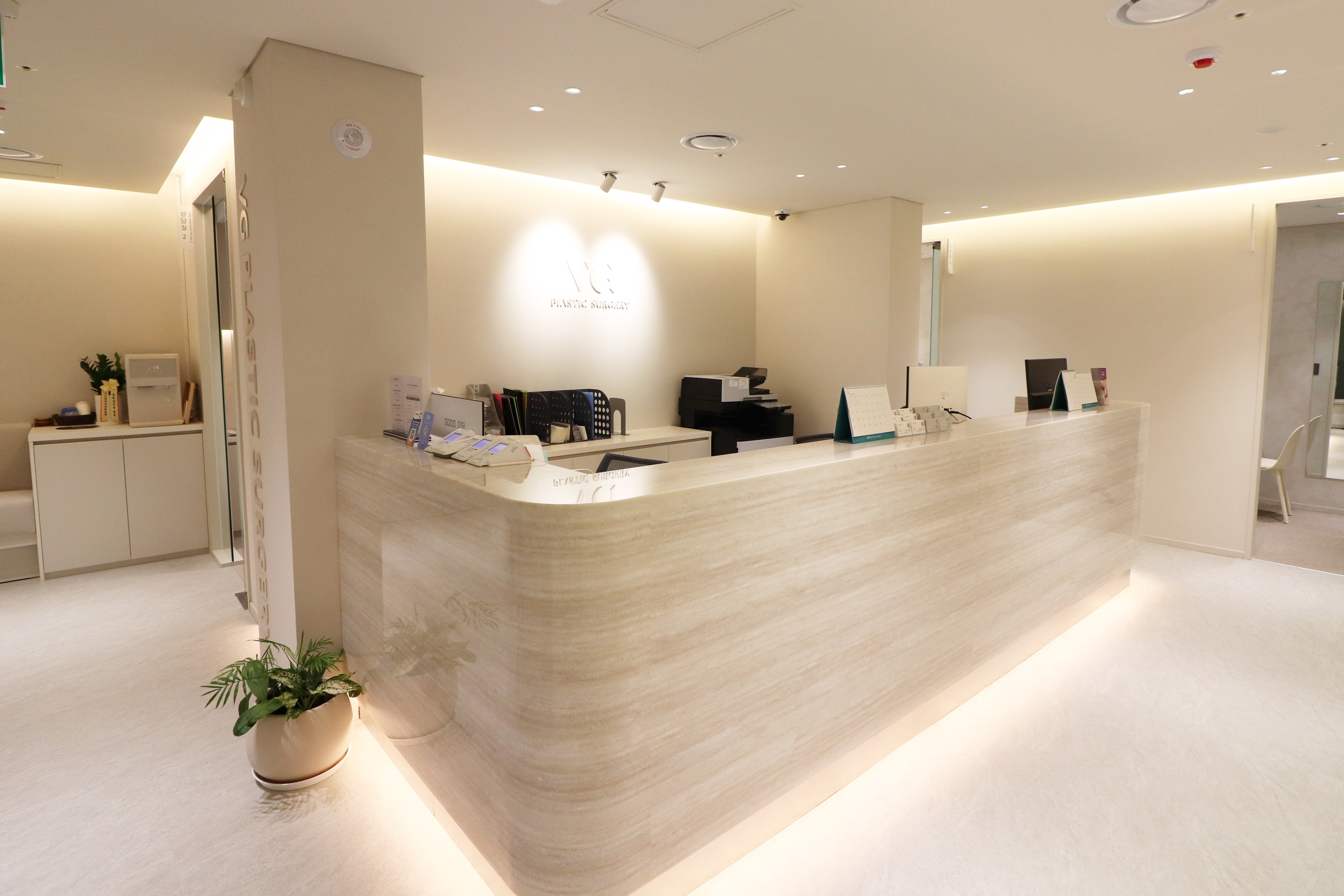
How to Evaluate Leading Revision Rhinoplasty Clinics in Gangnam
Revision rhinoplasty is a secondary operation intended to address concerns following an earlier nose surgery. The reasons for considering it can differ, including changes in appearance or concerns about nasal shape. When comparing clinics, focus on whether the consultation addresses your specific history and explains the proposed approach in clear terms. A clinic’s listed procedures are a starting point, not a substitute for an individualized assessment. Verygood plastic surgery lists corrective rhinoplasty and revision rhinoplasty among its nasal surgery services.
Start with your reasons for considering revision
Before a consultation, write down what you would like to discuss about your previous surgery. You might be focused on the nasal bridge, tip, or overall shape, but keep your notes descriptive rather than trying to diagnose the cause. Include any changes you have noticed and what you hope a revision could address. This gives the medical staff a clearer starting point for discussing your concerns and whether a surgical approach may be relevant.
A useful consultation should consider your current nasal structure, previous procedures, and goals together. Be prepared to explain what surgery you have had before and to share relevant records if available. Ask how the proposed procedure relates to the specific concern you raised, what the approach would involve, and what factors could affect the plan. Clear communication helps distinguish a personalized discussion from a general description of revision surgery. Avoid treating a procedure name alone as proof that it is suitable for your case.
Revision planning begins with understanding what changed after the earlier procedure and what you want to address now. Ask the medical staff to connect each proposed step to your concerns and nasal structure.
Review the clinic’s relevant rhinoplasty services
When checking whether a clinic offers services relevant to your needs, look for revision rhinoplasty specifically rather than relying only on general rhinoplasty information. Verygood plastic surgery lists revision rhinoplasty using rib cartilage, self-rib cartilage, and donated rib cartilage. Its rhinoplasty procedures also include approaches such as augmentation rhinoplasty with tip plasty and treatment for a deviated nose. These service names can help you prepare focused questions for a consultation.
Different procedure names describe different approaches; they do not establish that a particular approach is appropriate for every patient. Ask which part of the nose the proposed procedure would address and why the selected technique is being considered. If cartilage is part of the plan, clarify whether self-rib cartilage or donated rib cartilage is being discussed, and how that choice relates to your individual case. You can also ask how the proposed revision differs from your earlier operation. Good decision-making depends on understanding the rationale, not simply comparing procedure labels. The medical staff can explain the plan in the context of your history and examination.
Assess the consultation process
A consultation is an opportunity to explain your priorities and understand the options under consideration. Bring a concise account of your previous nose surgery, your current concerns, and any relevant questions. Be direct about the changes you hope to discuss, while remaining open to the possibility that the clinical assessment may shape which options are appropriate. Take time to understand unfamiliar terms before making a decision.
Listen for a clear explanation of the proposed procedure and the reasoning behind it. You should be able to ask what the plan is intended to address, what material may be used, and what considerations apply to revision surgery in your situation. A thoughtful discussion should leave you with a clearer understanding of the next steps, rather than pressure to make an immediate choice. Choose a consultation that gives you room to ask questions and consider the information carefully. If important points remain unclear, ask for clarification before proceeding.
Verygood plastic surgery describes its core competitiveness as a Safe Plastic Surgery System. During a consultation, you can ask how the clinic’s approach applies to revision rhinoplasty and what you should understand before deciding. This keeps the discussion grounded in the specific procedure being considered, rather than relying on a broad label alone. Your questions can also cover the planned technique, relevant materials, and how your previous surgery informs the assessment.
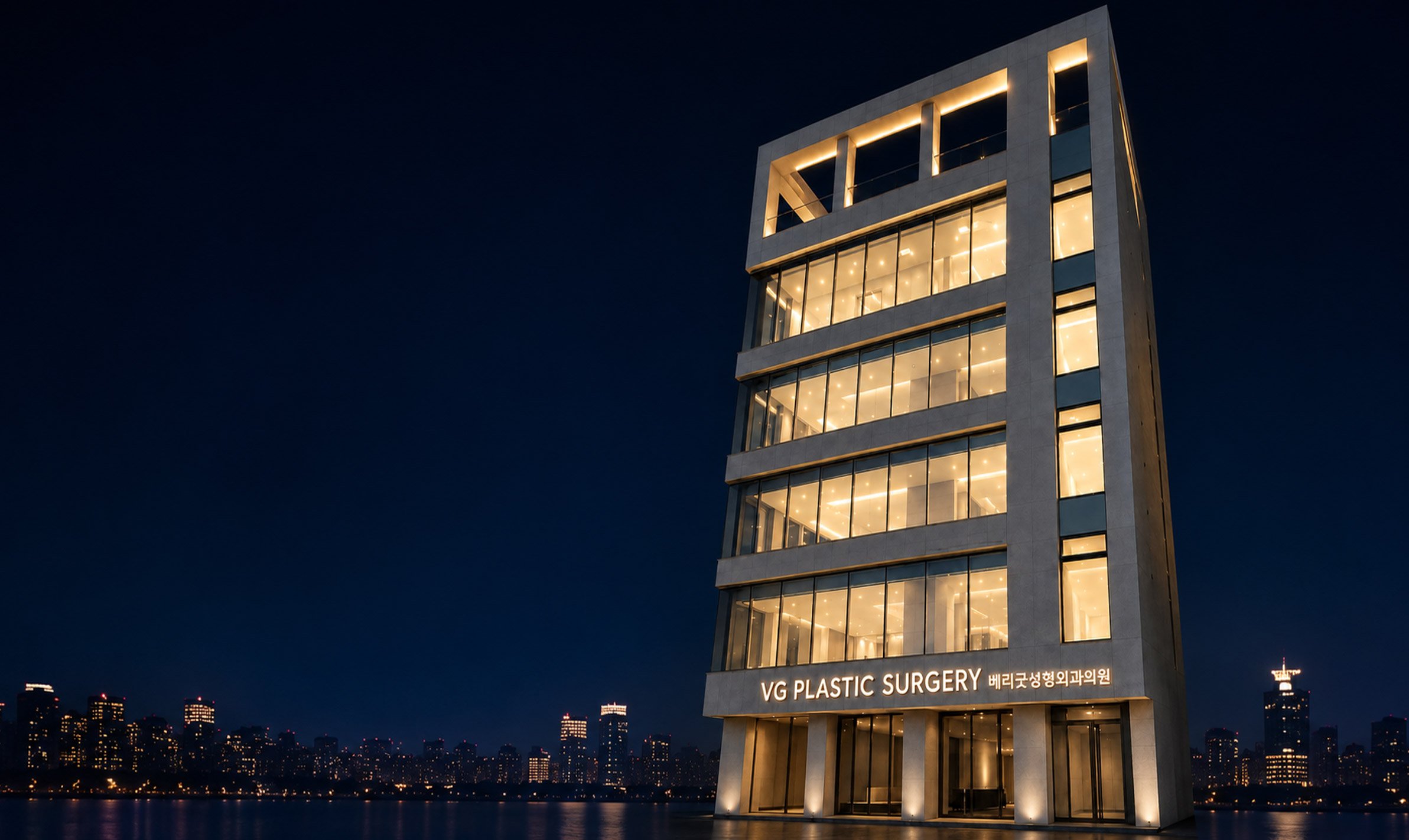
Understanding Revision Rhinoplasty at Leading Revision Rhinoplasty Clinics in Gangnam
Revision rhinoplasty differs from an initial nose operation because the surgeon must account for changes from the earlier procedure. The treatment plan depends on the individual’s current anatomy, surgical history, and concerns. Verygood plastic surgery lists revision rhinoplasty using rib cartilage, including self-rib cartilage, and donated rib cartilage. These options are topics to discuss with the medical staff, who can explain whether either approach relates to your case. The appropriate method depends on an individualized clinical assessment.
Discuss cartilage options in context
Cartilage may be part of a revision rhinoplasty plan, and Verygood plastic surgery lists both self-rib cartilage and donated rib cartilage for revision procedures. The names refer to different sources of cartilage, but the listing alone does not determine which material is suitable for an individual. Ask what the medical staff recommends for the concern being addressed and why that option is being considered in light of your prior surgery.
It is reasonable to ask how a proposed material relates to the planned correction and what factors guide the decision. Explain any concerns you have about the procedure and ask for clear answers in language you understand. The discussion should address your history and examination rather than assume that one material fits all cases. You can also ask what other parts of the procedure are being considered, such as tip plasty or augmentation, if they are relevant to the proposed plan. Understanding the purpose of each component can make the consultation more useful. The final approach should be based on your individual clinical assessment.
Cartilage options are not interchangeable recommendations for every patient. Ask how the proposed material relates to your prior surgery, current anatomy, and the specific correction being discussed.
Connect the technique to the concern
Revision consultations may involve discussion of more than one part of the nose. For example, the clinic’s listed procedures include revision rhinoplasty, augmentation rhinoplasty with tip plasty, and procedures addressing a deviated nose. These terms describe available services, not a promise that any one procedure will resolve a particular concern. Ask which part of your nasal structure the suggested approach is intended to address.
Useful questions include whether the plan is focused on the bridge, tip, or another area, and how the approach accounts for the previous operation. If the medical staff proposes combining procedures, ask what each element is intended to do and why a combined plan is being considered. The explanation should distinguish between your stated goals and clinical factors identified during assessment. Do not assume that a procedure listed on a service page will automatically fit your needs. A clear connection between the concern and the technique is more informative than a list of procedure names. Allow time to consider the discussion before making a decision.
Set realistic expectations for a secondary procedure
Revision surgery is planned around an individual’s circumstances, so it is important to discuss the intended changes carefully. Describe what you would like to improve and ask what the proposed operation is designed to address. The medical staff can explain how prior surgery and current nasal structure factor into the discussion. Keep expectations focused on specific, understandable goals rather than assuming a particular result.
Ask what factors could influence the plan and what the procedure would involve in your case. A conversation about expected changes should be balanced, specific, and based on clinical assessment. It may also help to ask what information the clinic needs from you, including details about your previous operation. Clear expectations support informed decisions, but no description can guarantee an individual outcome. Take time to review the proposed approach and raise any questions that remain before proceeding.
Changes after surgery can take time depending on individual condition, so ask the medical staff how to think about the course of recovery for the procedure being discussed. Focus on the guidance that applies to your own treatment plan rather than general timelines. You can also ask what instructions you should follow after surgery and whom to contact if you have questions. Specific expectations should be explained in consultation and tailored to the operation planned.
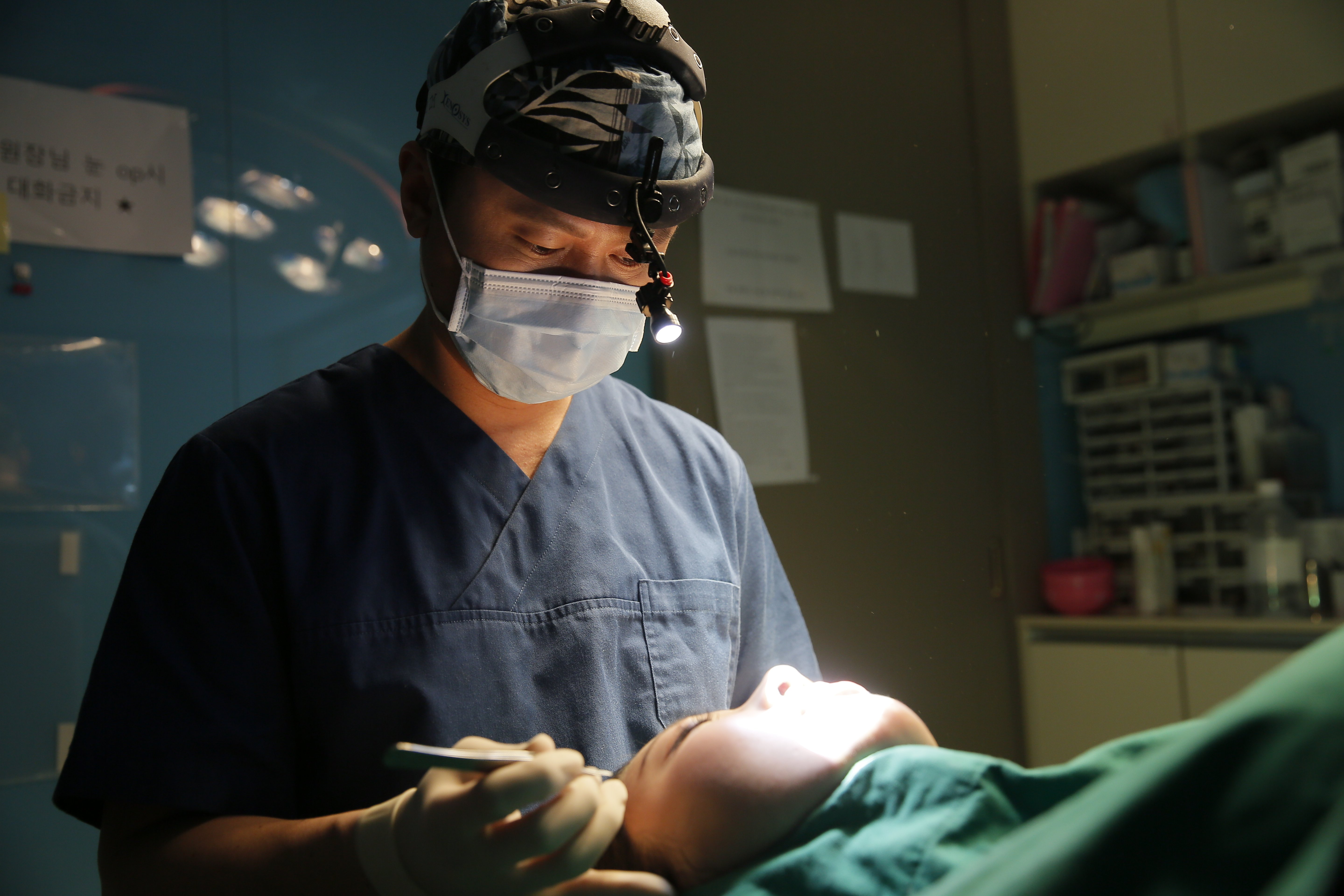
Planning a Consultation at Leading Revision Rhinoplasty Clinics in Gangnam
Practical preparation can make a revision rhinoplasty consultation more focused. Bring details about your previous surgery, list the concerns you want to discuss, and prepare questions about the proposed approach and materials. Verygood plastic surgery provides plastic surgery services, including corrective rhinoplasty and revision rhinoplasty using rib cartilage. Use the consultation to understand the assessment and plan before deciding whether to proceed. A clear discussion should help you understand the options relevant to your situation.
Prepare your surgery history and questions
Before your appointment, write down when you had your earlier nose surgery and what procedures you recall having. If you have records or other relevant documents, bring them to support a more informed discussion. Note what concerns you now and which changes matter most to you. A short, organized list can help you cover the essential points without relying on memory during the appointment.
Prepare questions about the proposed technique, whether cartilage is being considered, and how the plan relates to your previous surgery. Ask what the procedure is intended to address and what information is still needed to make a recommendation. You may also want to ask how the clinic’s Safe Plastic Surgery System applies to the operation under discussion. These questions are practical starting points, not a substitute for the medical assessment. Make sure you understand the explanation before deciding on a next step. If you need time to consider the information, say so.
Arriving with your surgical history and priorities organized can make the consultation more specific. Use the discussion to understand the proposed technique, material, and rationale before making a decision.
Use the discussion to clarify the proposed plan
During the consultation, explain your concerns in your own words and listen for how the medical staff relates them to the assessment. Ask for clarification if a procedure name or technical term is unfamiliar. If a particular technique is proposed, ask what it is intended to change and how it fits your history. This helps keep the conversation focused on your needs rather than broad descriptions of surgery.
A plan may involve discussion of revision rhinoplasty with self-rib cartilage or donated rib cartilage, depending on the clinical assessment. Ask whether either option is relevant to you and what other procedures, if any, are being considered. It is also appropriate to ask what you should understand about the procedure and the follow-up instructions. The clinic’s listed services can help you form questions, but the consultation is where their relevance to your case is discussed. Do not feel obliged to decide before you understand the proposed plan. A careful review of your options supports an informed choice.
Consider clinic information and next steps
When evaluating a clinic, consider whether its services match the procedure you are seeking and whether the consultation answers your questions clearly. Verygood plastic surgery lists rhinoplasty, corrective rhinoplasty, and revision rhinoplasty among its services. Its stated core competitiveness is a Safe Plastic Surgery System. Ask how the clinic explains its approach to your planned treatment and what information you should review before taking the next step.
Practical details also matter: know how to contact the clinic and where to attend your consultation. Keep your questions about treatment separate from administrative questions so that both receive attention. For a revision procedure, share your prior surgical history as accurately as you can and explain your goals in specific terms. A considered decision should reflect both a clear clinical discussion and a clear understanding of the proposed process. If you need more information, ask the clinic directly before scheduling or proceeding.
Verygood plastic surgery is located at 635 Nonhyeon-ro, Gangnam-gu, Seoul, Republic of Korea. The clinic can be contacted at 02-596-9006 for inquiries. When arranging a consultation, prepare a brief summary of your previous surgery and the questions you want addressed. This can help make the discussion more focused on your revision rhinoplasty concerns and the options relevant to your case.





Frequently Asked Questions
Q.What kind of place is Verygood plastic surgery?
A.Verygood plastic surgery is a plastic surgery clinic offering rhinoplasty and corrective rhinoplasty services. Its listed procedures include revision rhinoplasty using rib cartilage.
Q.Who might consider a revision rhinoplasty consultation?
A.People with concerns following a previous nose operation may consider discussing revision options with the medical staff. Whether surgery is appropriate depends on an individual assessment.
Q.What revision rhinoplasty approaches does Verygood plastic surgery list?
A.Verygood plastic surgery lists revision rhinoplasty using self-rib cartilage and donated rib cartilage. The relevant approach depends on the patient’s clinical assessment and treatment plan.
Q.What should I prepare for a consultation?
A.Prepare details about your previous nose surgery, your current concerns, and questions about the proposed technique and materials. Bring relevant records if available.
Q.Where is Verygood plastic surgery, and how can I contact it?
A.Verygood plastic surgery is at 635 Nonhyeon-ro, Gangnam-gu, Seoul, Republic of Korea. For inquiries, call 02-596-9006.
 Verygood plastic surgery